Nestled within the Ian Potter Museum of Art at Melbourne University, Residence is more than a café. It is a space that redefines how art, food, and culture coexist. Behind the restaurant concept, Cherrywood, are hospitality veterans Cam and Robbie, whose shared philosophy blends creativity, sustainability, and a genuine sense of community.
We sat down with them to talk about how the project came to life, from transforming a dormant study hall into a dynamic dining venue to navigating the balance between creativity and commercial reality, and why Service Works uniforms have become part of the restaurant’s identity.

On Finding the Space
Q: The building is stunning. How did you come across this location?
Cam: The university and the Potter Museum had been talking for a while about how to make the space more modern and engaging. They wanted something that would complement the 65,000 Years exhibition, something beautiful and intentional rather than just a takeaway coffee spot.
The space we are sitting in now used to be a study area that wasn’t being used for much. We weren’t taking anything away; it had been sitting dormant. The university put out a tender for the venue and approached Nathen my business partner [Nathen Doyle, who also operates Heart Attack & Vine and Sunhands]. He brought me in to shape a more restaurant-focused dining concept, and from there it evolved quite naturally.
Q: It feels very connected to the broader campus but also distinctly its own.
Cam: Exactly. You can see the layers of history in the architecture: Gothic foundations, modernist additions, and everything in between. We wanted this next chapter to reflect that evolution. It is not about replacing what came before, but adding to the story.

On Building a New Kind of Restaurant
Q: So how did you two connect on this project?
Robbie: We had actually never met before this, which is wild considering we have both lived and worked in Melbourne’s hospitality scene for years. I heard about the chef-in-residence opportunity through friends and applied straight away. I had reached a point where I wanted to develop my own profile and work a bit more for myself rather than always for someone else. This was the perfect balance: creative freedom without the full financial risk of opening my own venue.
Cam: Robbie was one of the first applicants. We were genuinely surprised by the calibre of people applying. It became clear very quickly that there were so many talented chefs waiting for an opportunity like this.
Q: It’s interesting, because Melbourne’s hospitality scene is so strong, but also very competitive.
Robbie: Exactly. You want to do what you love, but you also need to stay financially viable. It is a constant balance between creativity and practicality.
Cam: We are living through that process every day, figuring out how to showcase what we want to create while still giving guests what they want. It is a dialogue between the kitchen and the community.


On Philosophy and Values
Q: There’s a sense that Cherrywood is not just a restaurant but an evolving space. What drives that philosophy?
Cam: The idea was never to make something fixed. We wanted a concept that could shift with the people involved, the seasons, and the exhibitions happening at the museum. That’s where the “residency” idea came in. Each chef brings a new interpretation, and the restaurant takes on a different shape every few months.
Robbie: It is exciting to see how fluid it is. I came in with a focus on Australian produce and a bit of a coastal feel, but the next person might approach it completely differently. There is no ego about it. It is about creating a platform for creativity that also makes sense commercially.
Cam: We talk a lot about balance. There is so much pressure in hospitality to constantly innovate, but sometimes the best thing you can do is simplify. Focus on quality, on the people, and on creating something honest.


On Working with Service Works
Q: You both wear Service Works in the restaurant. What drew you to that partnership?
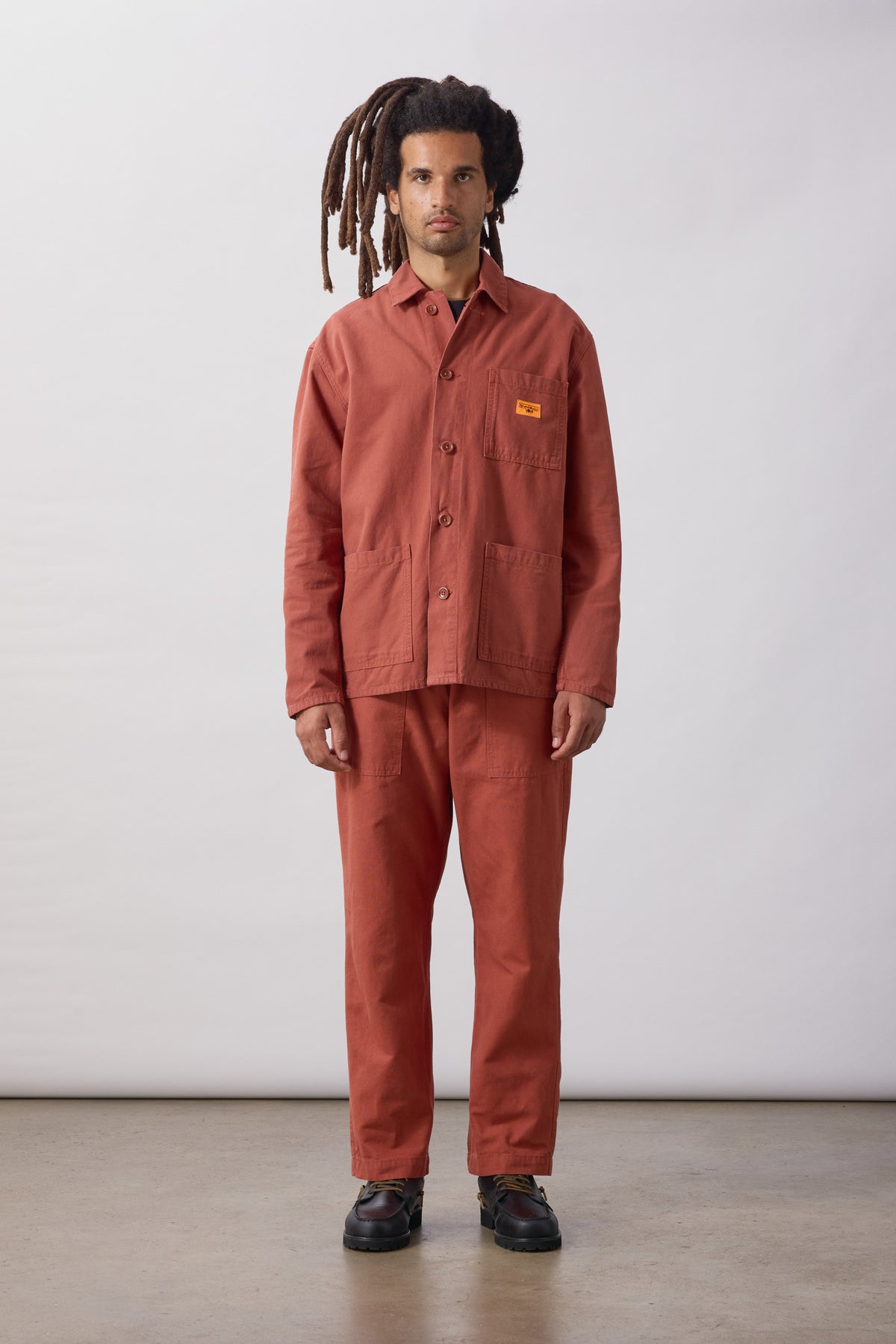
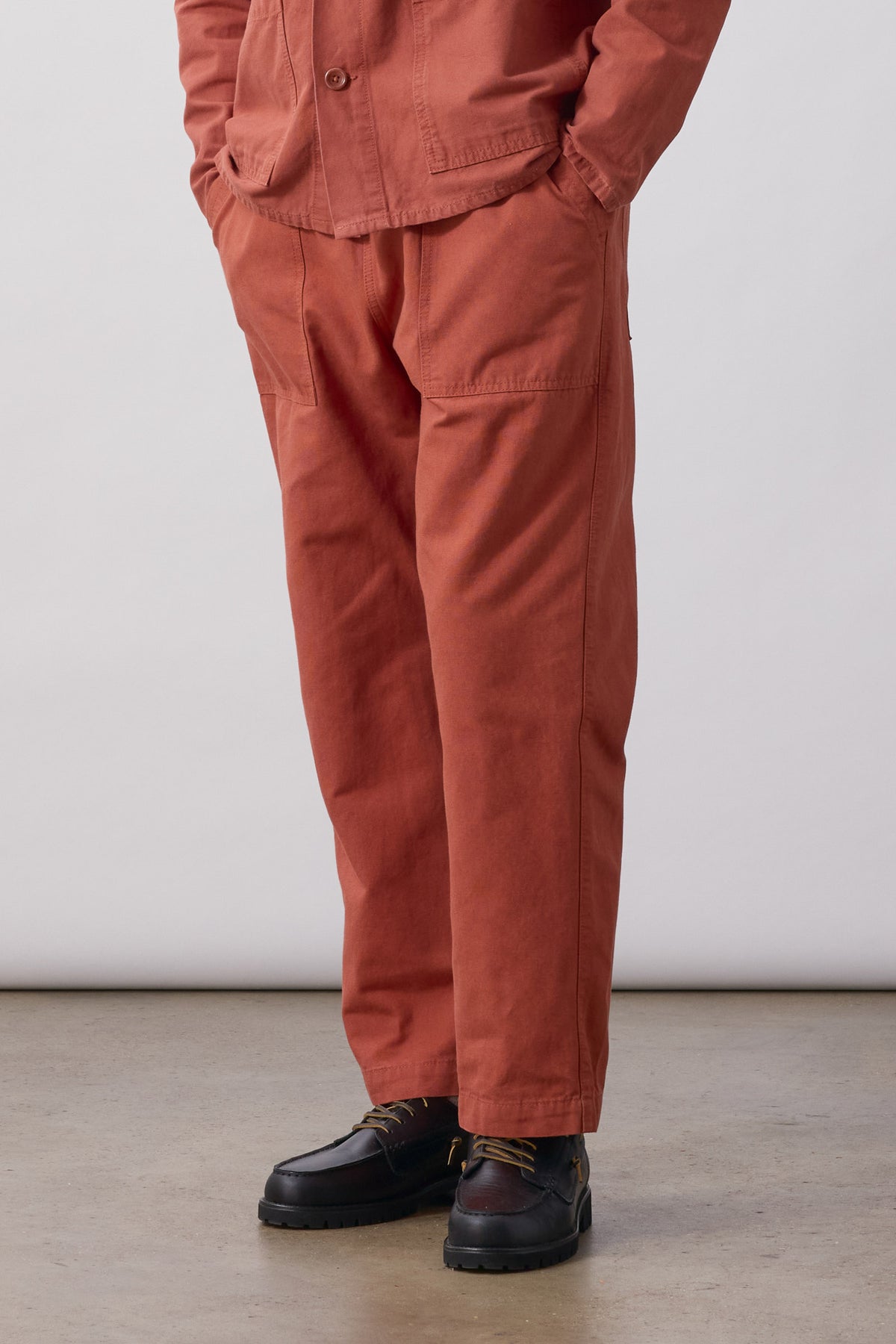
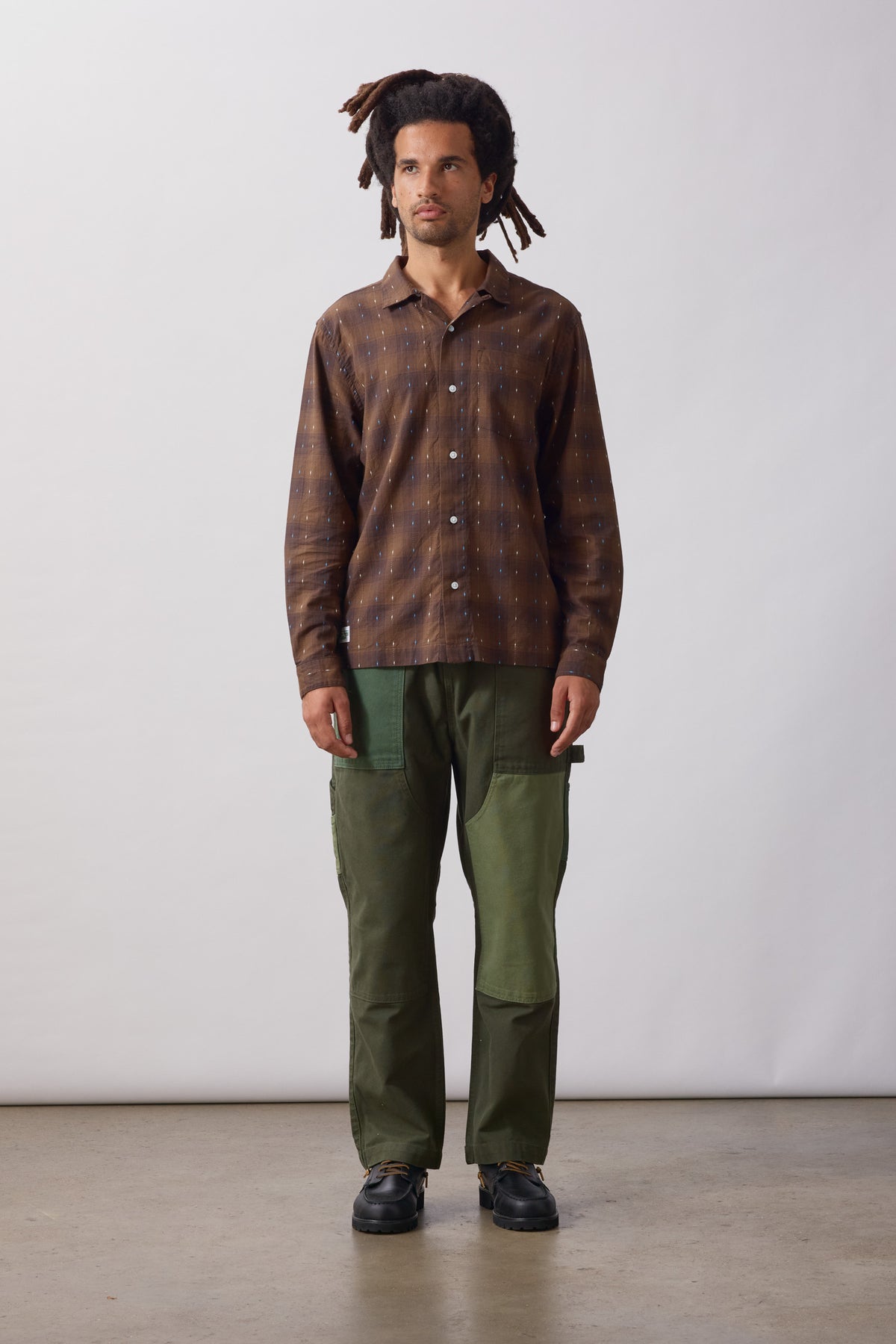
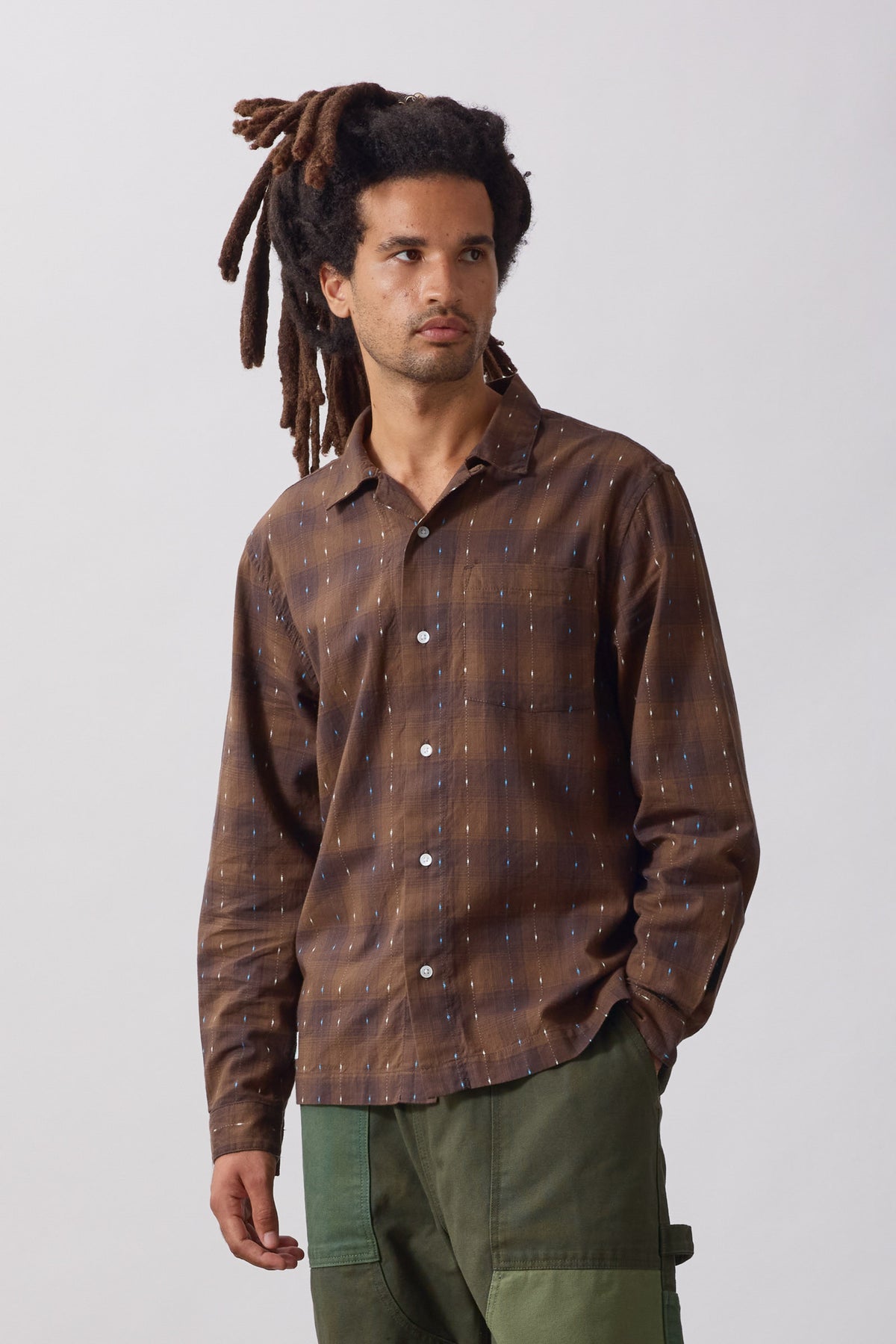
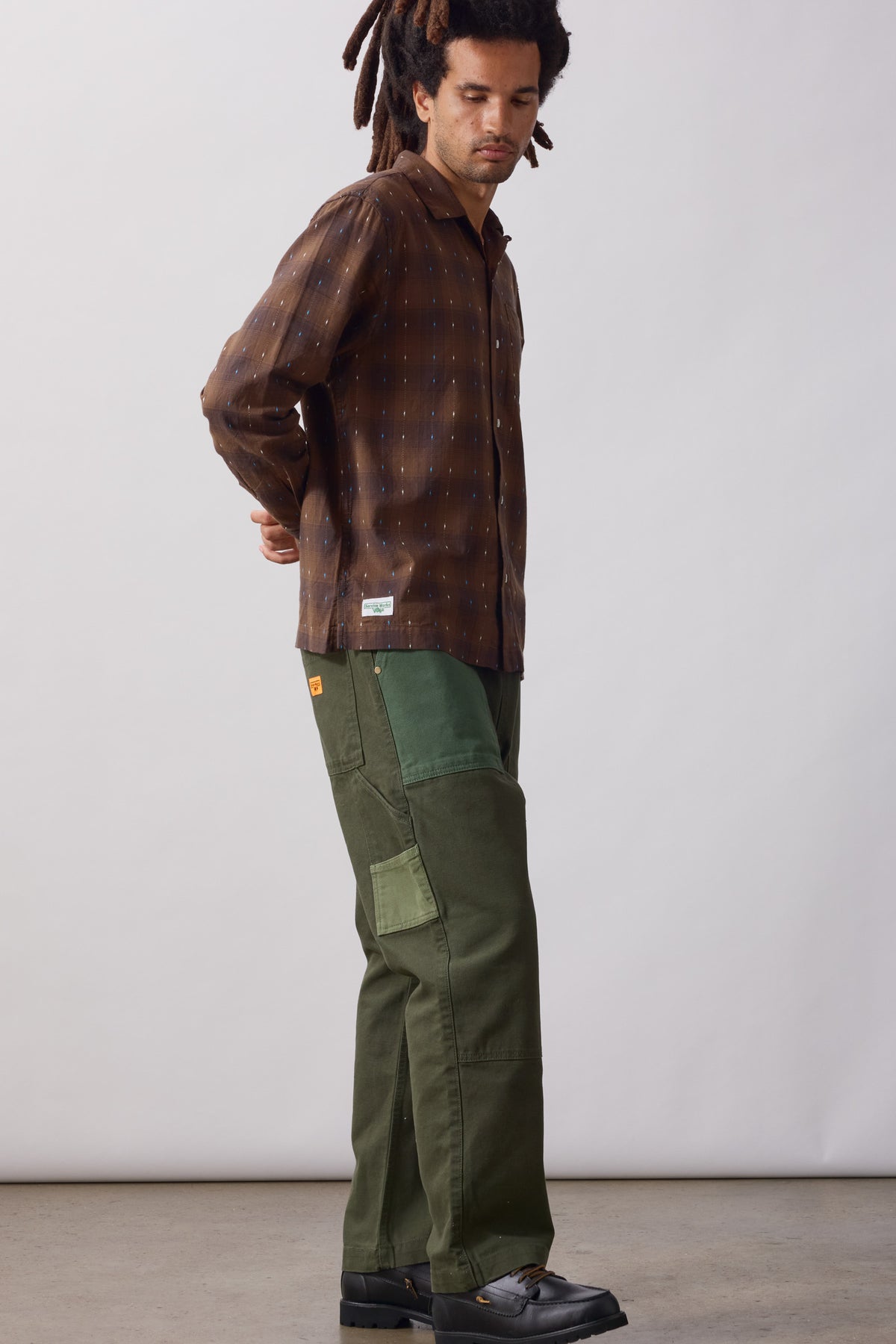
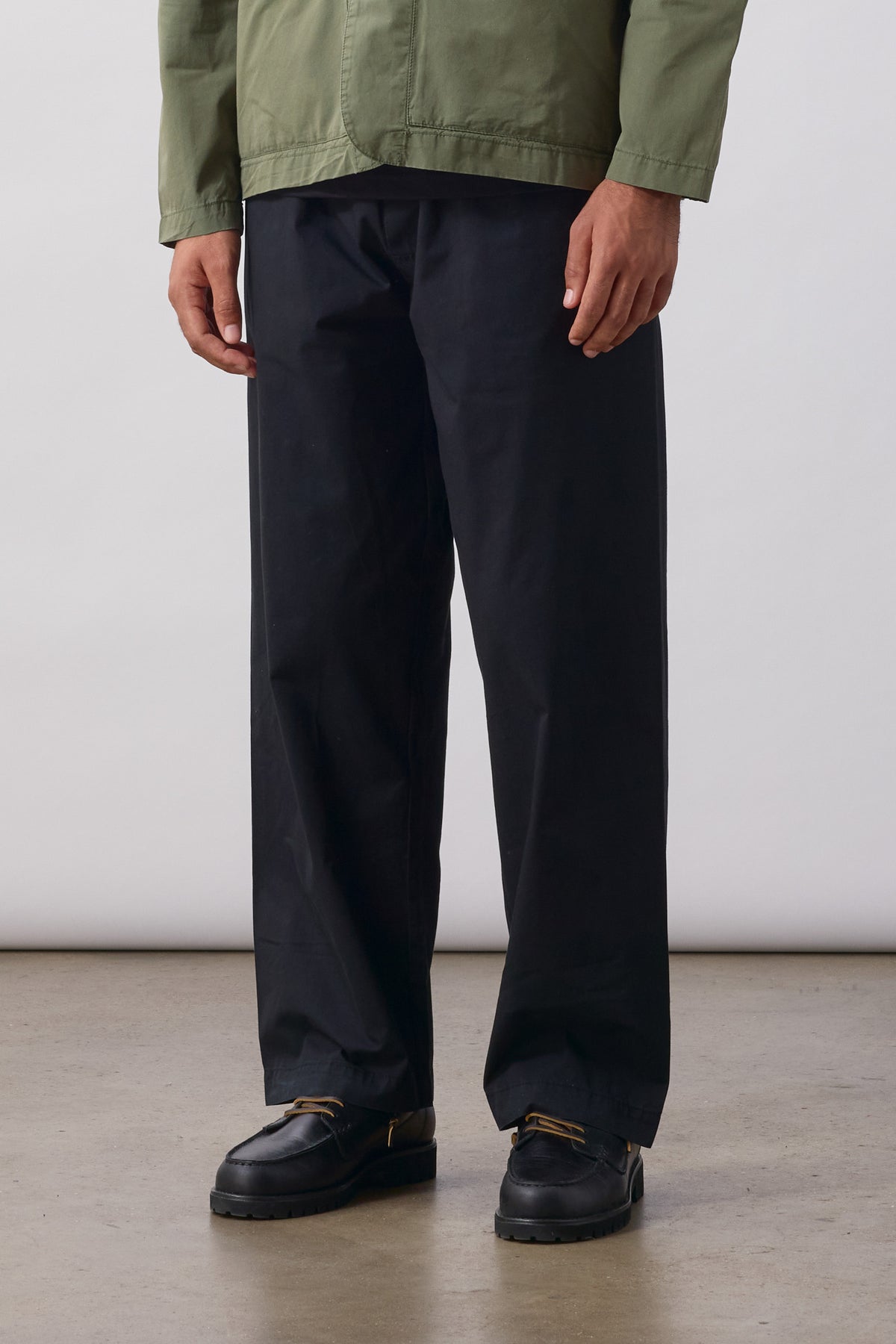
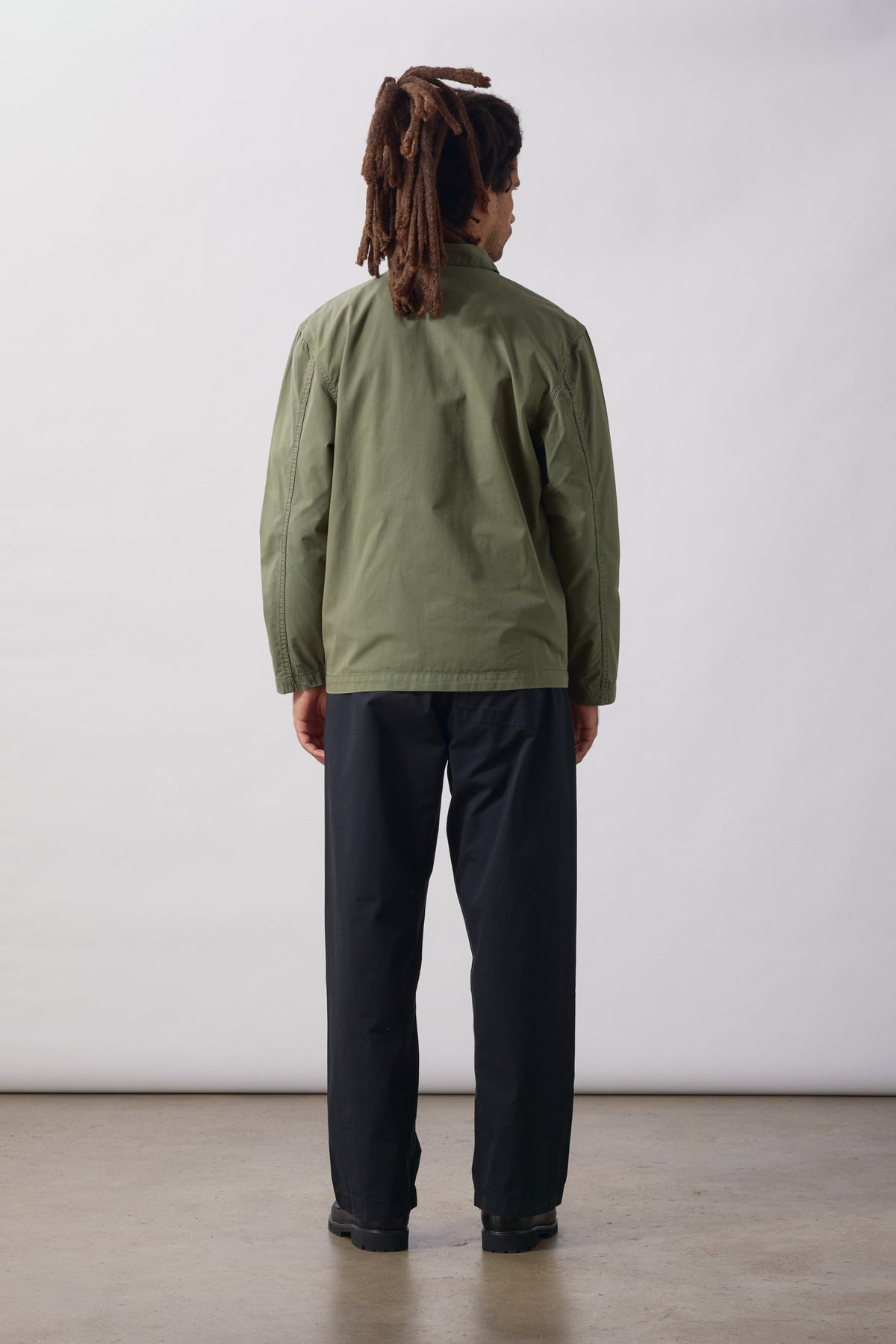
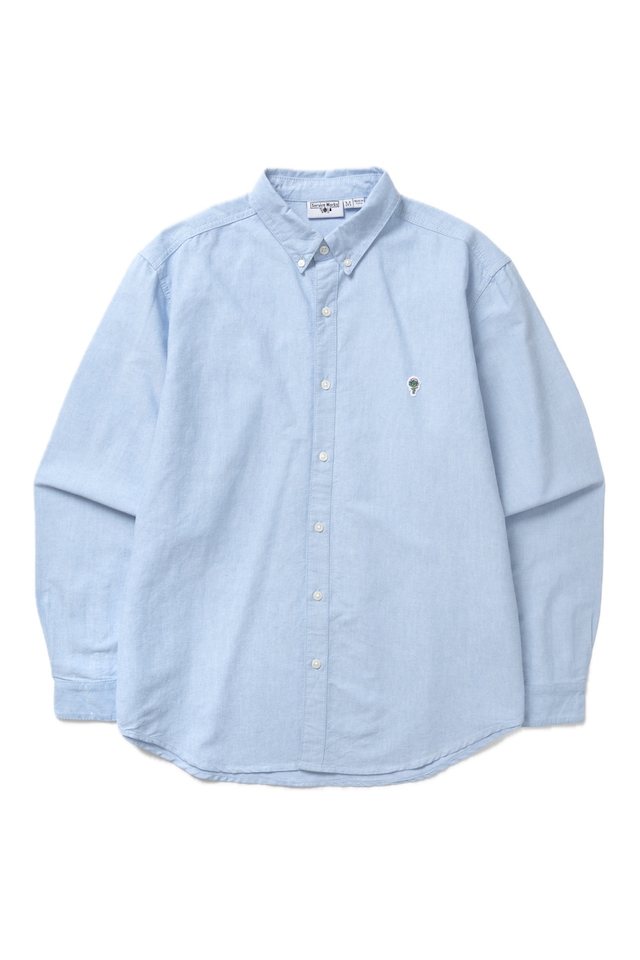
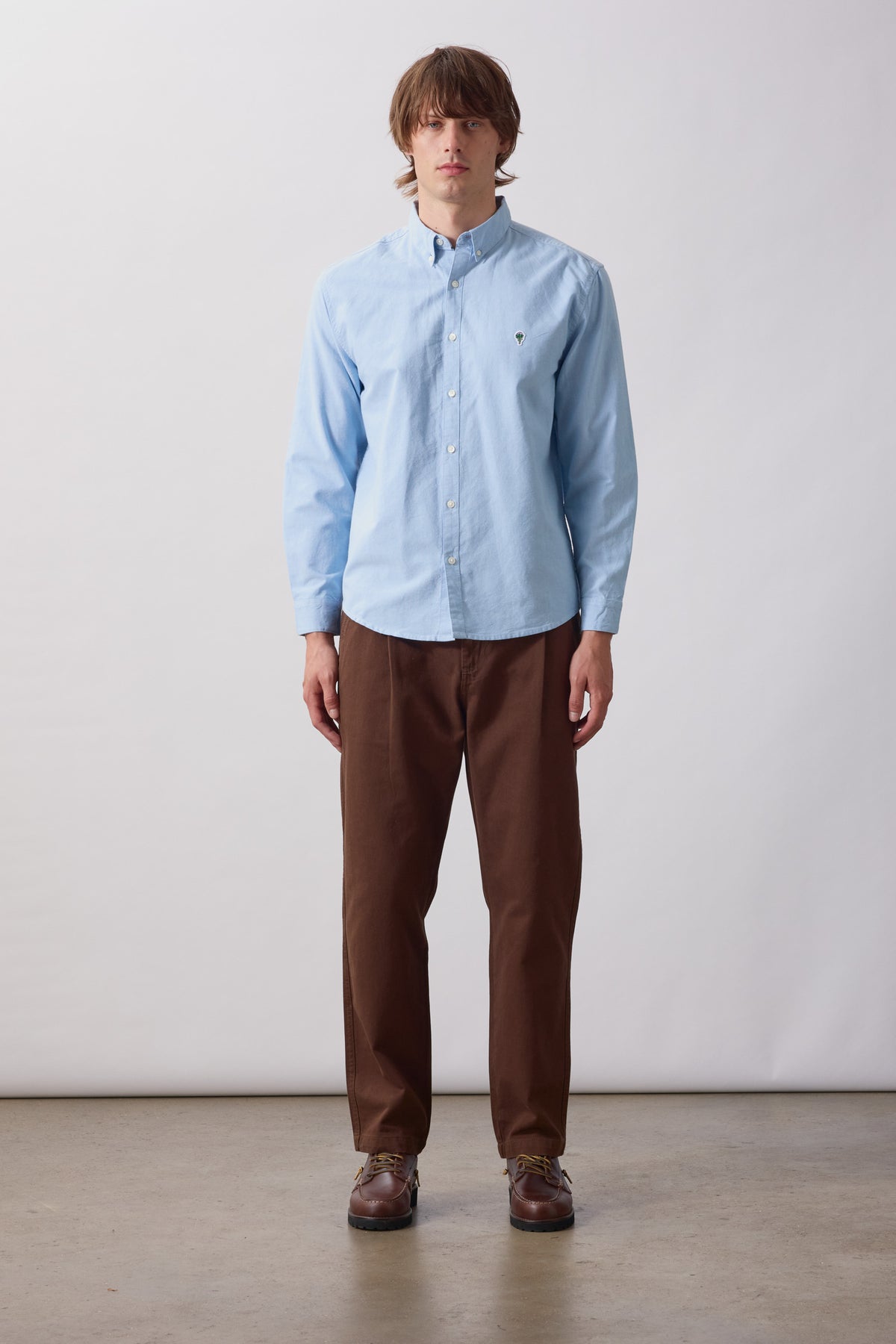
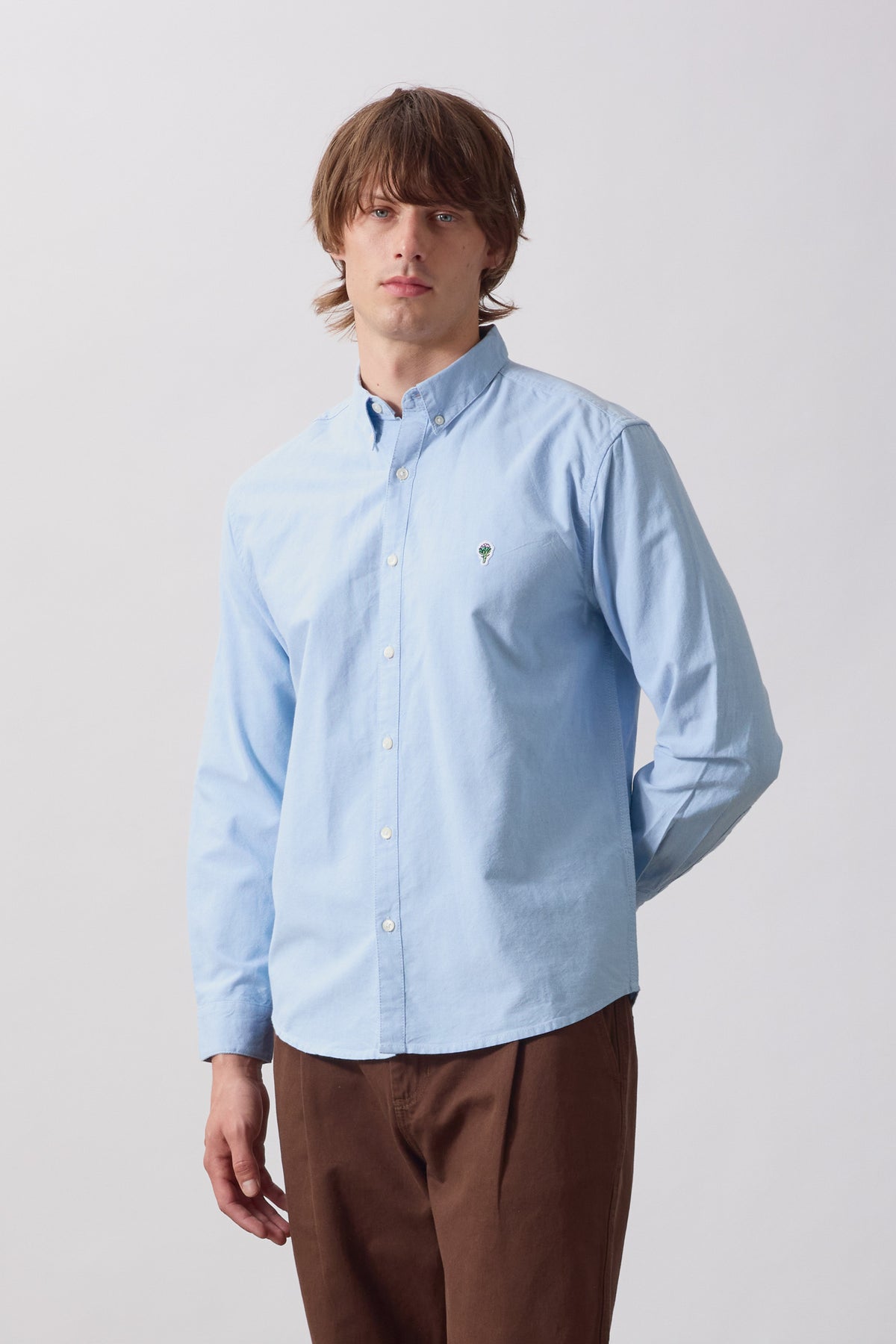
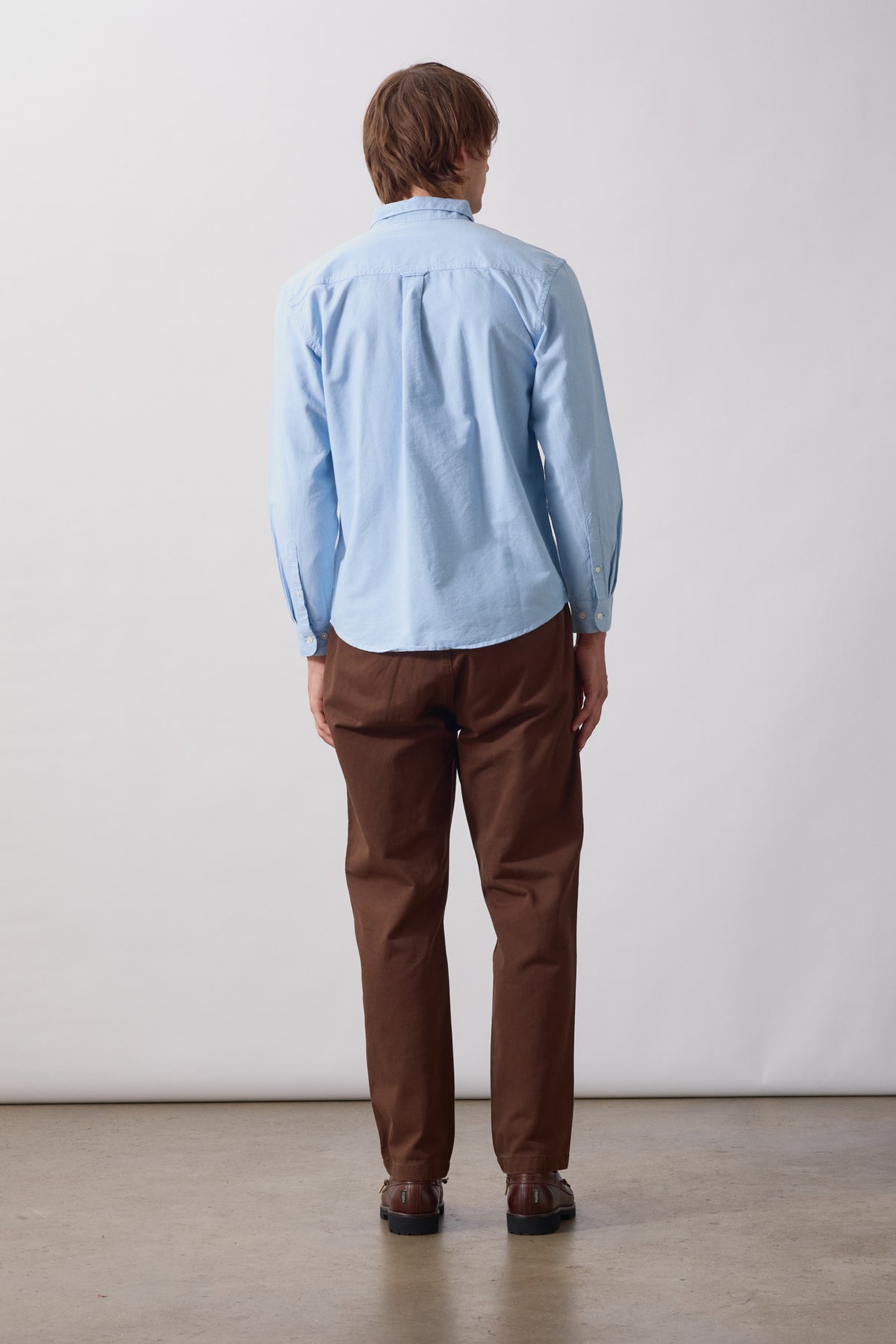
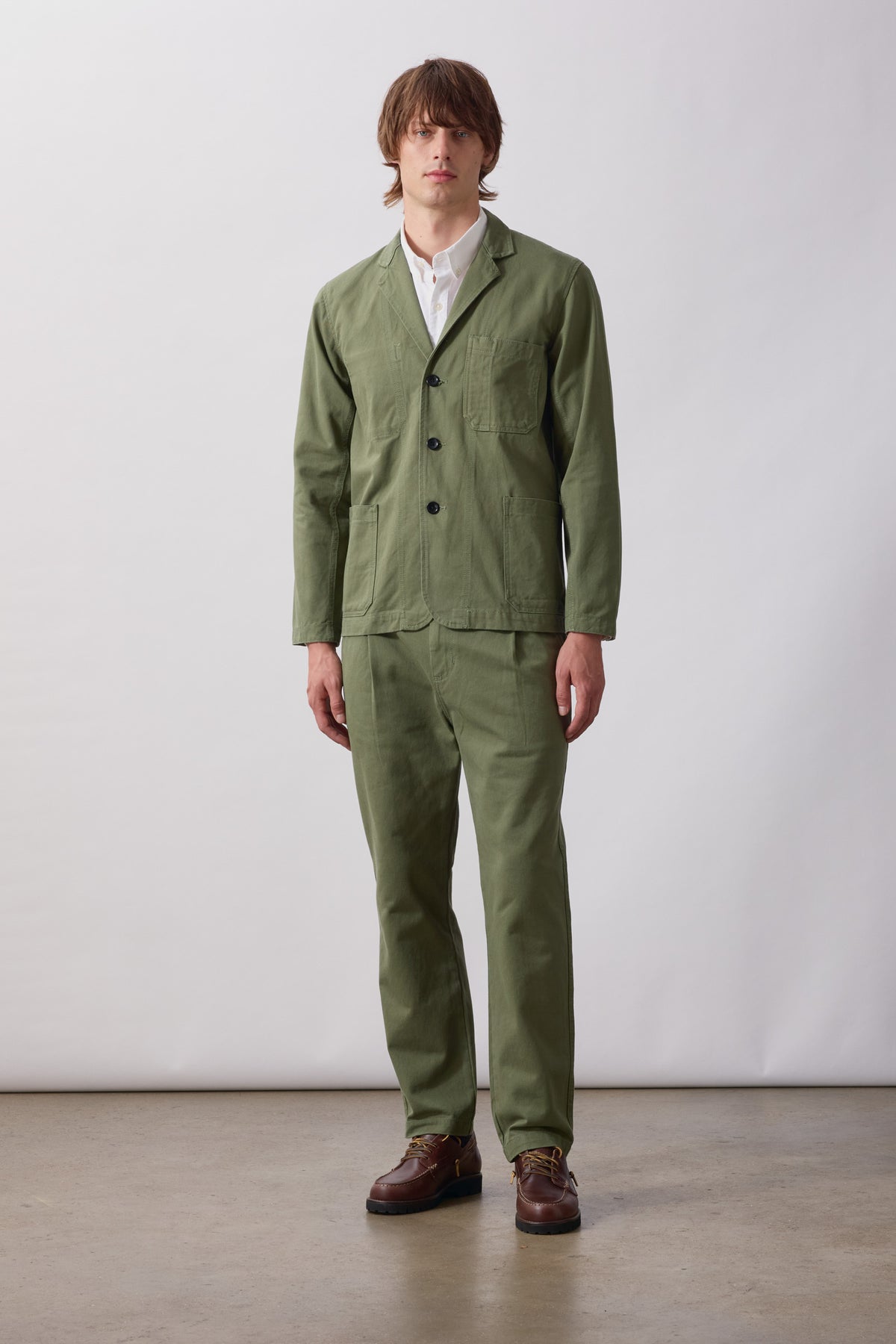
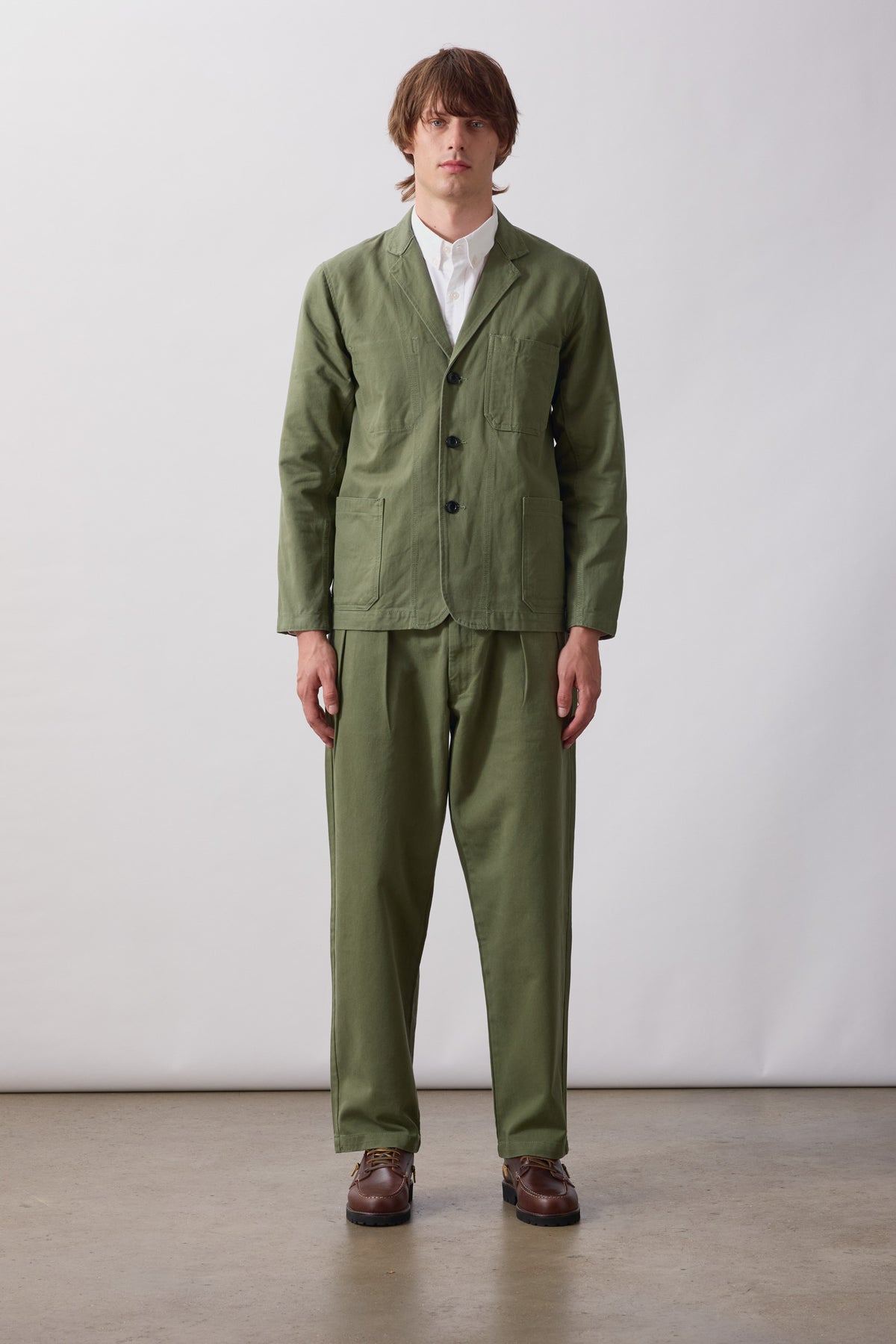
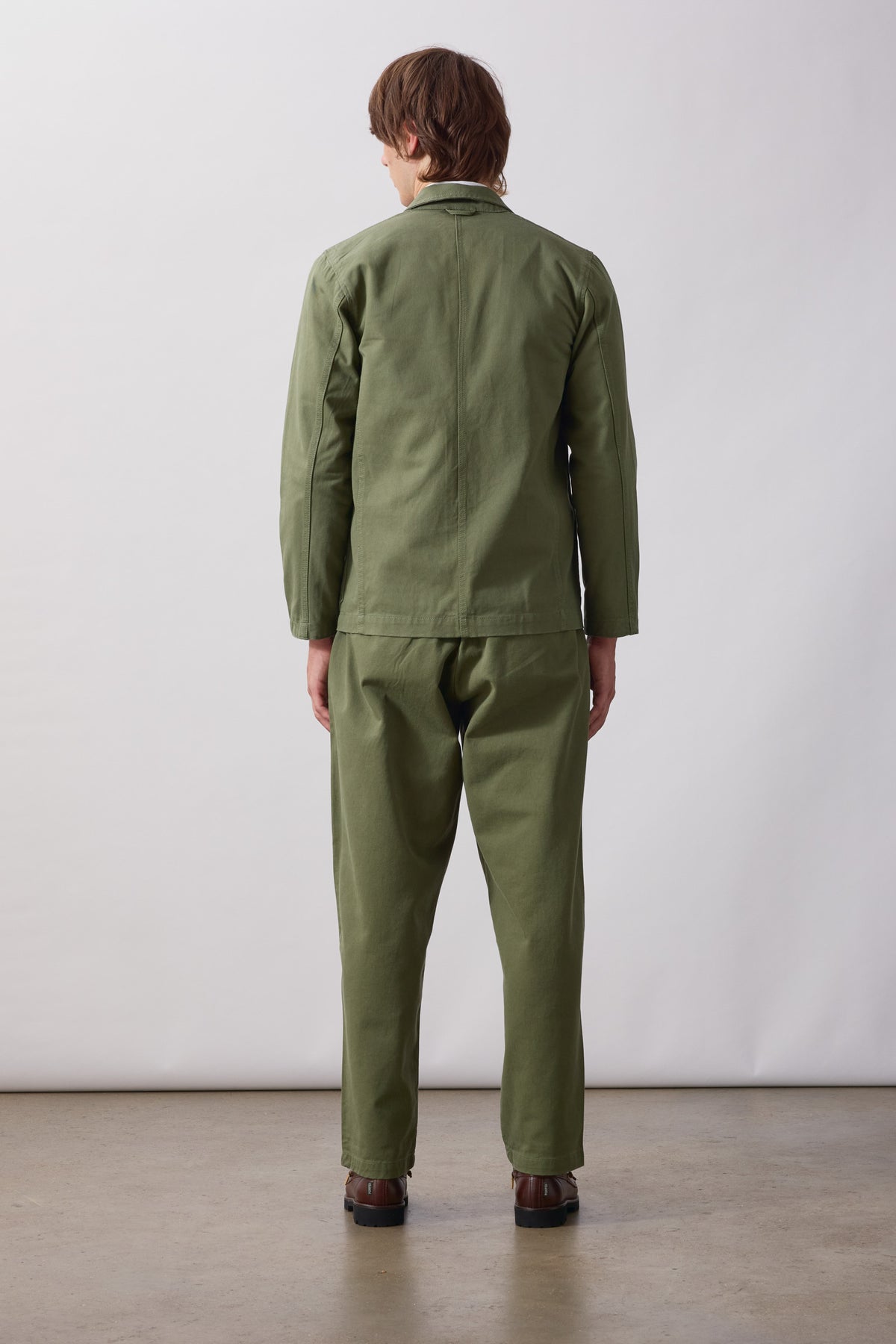
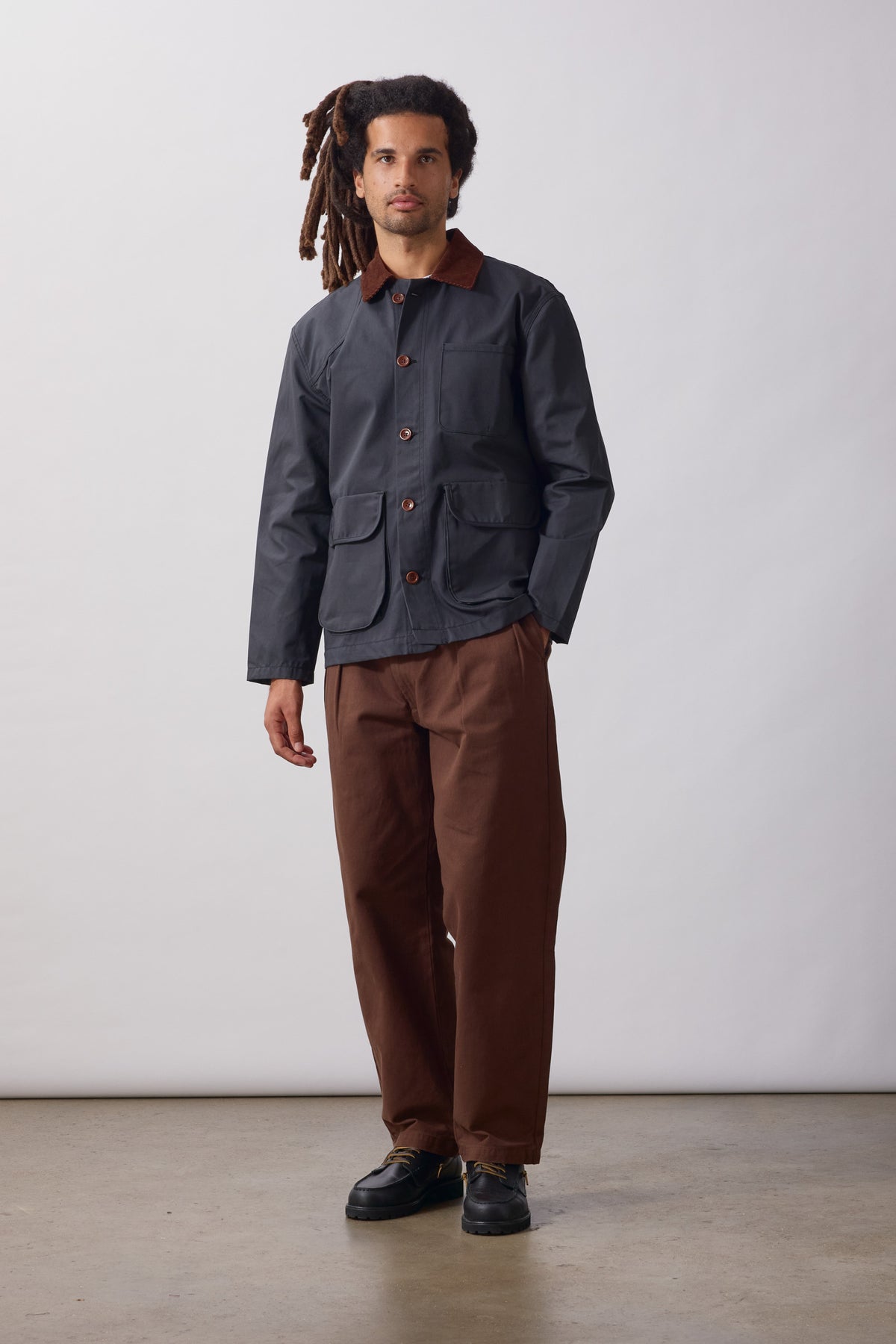
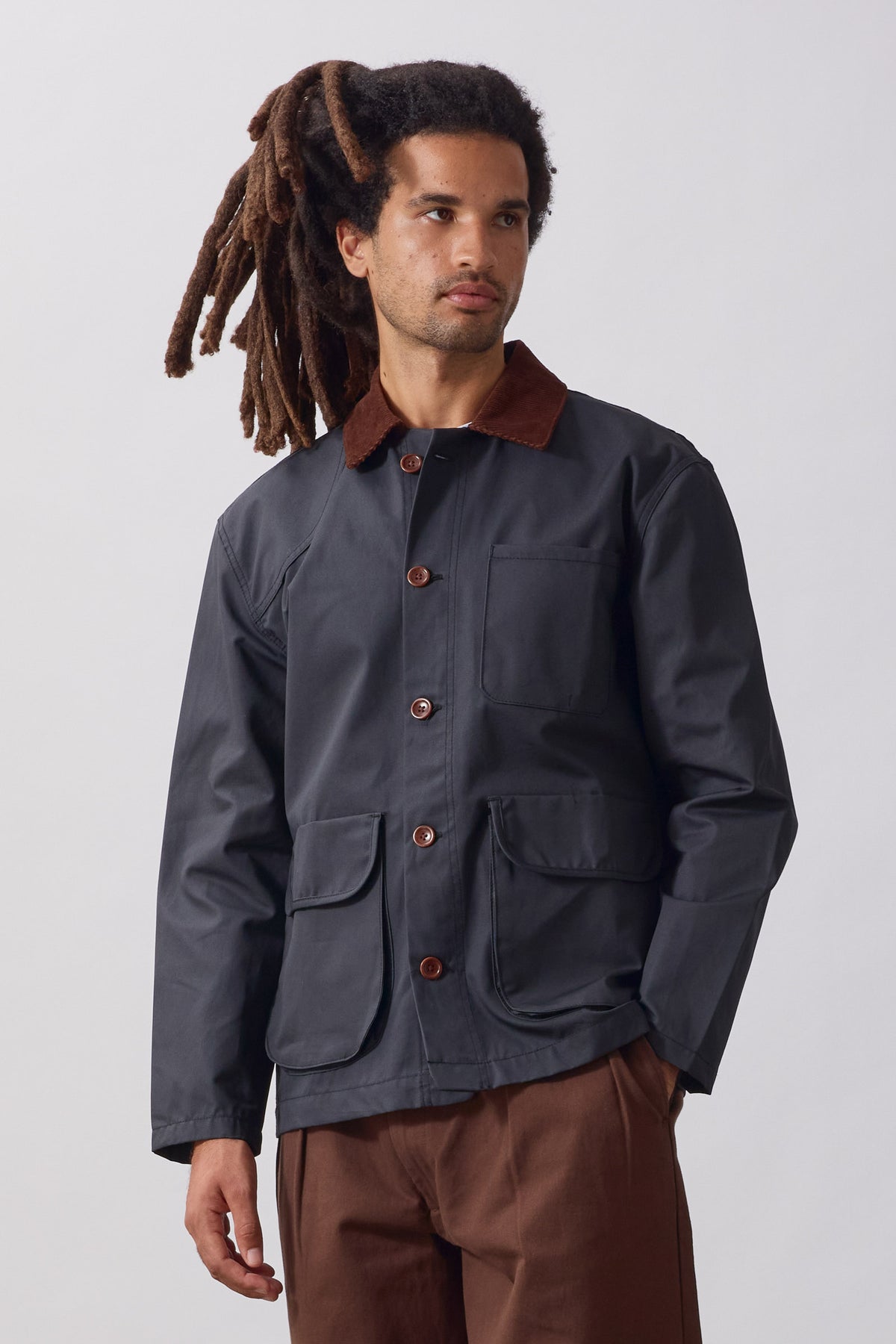
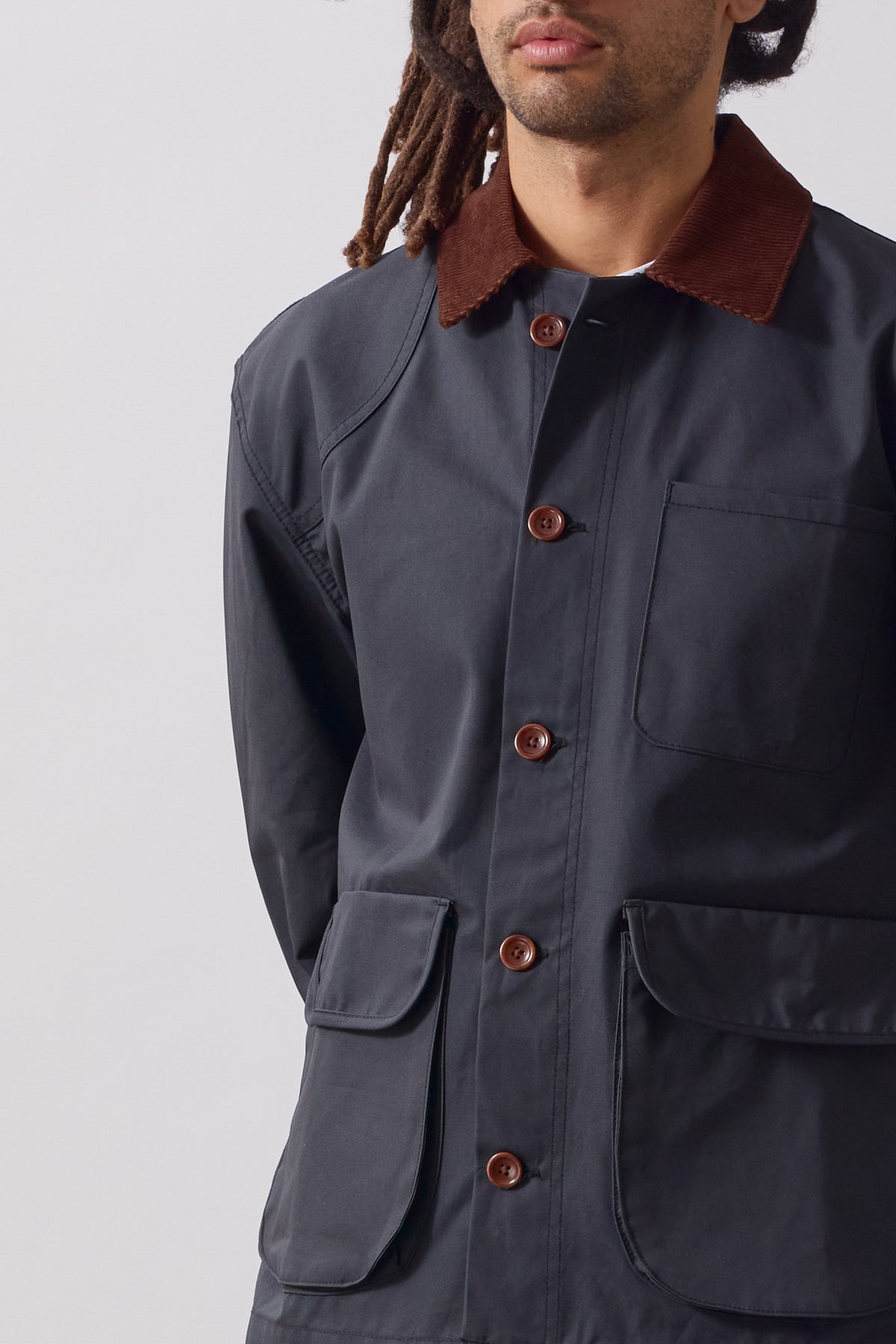
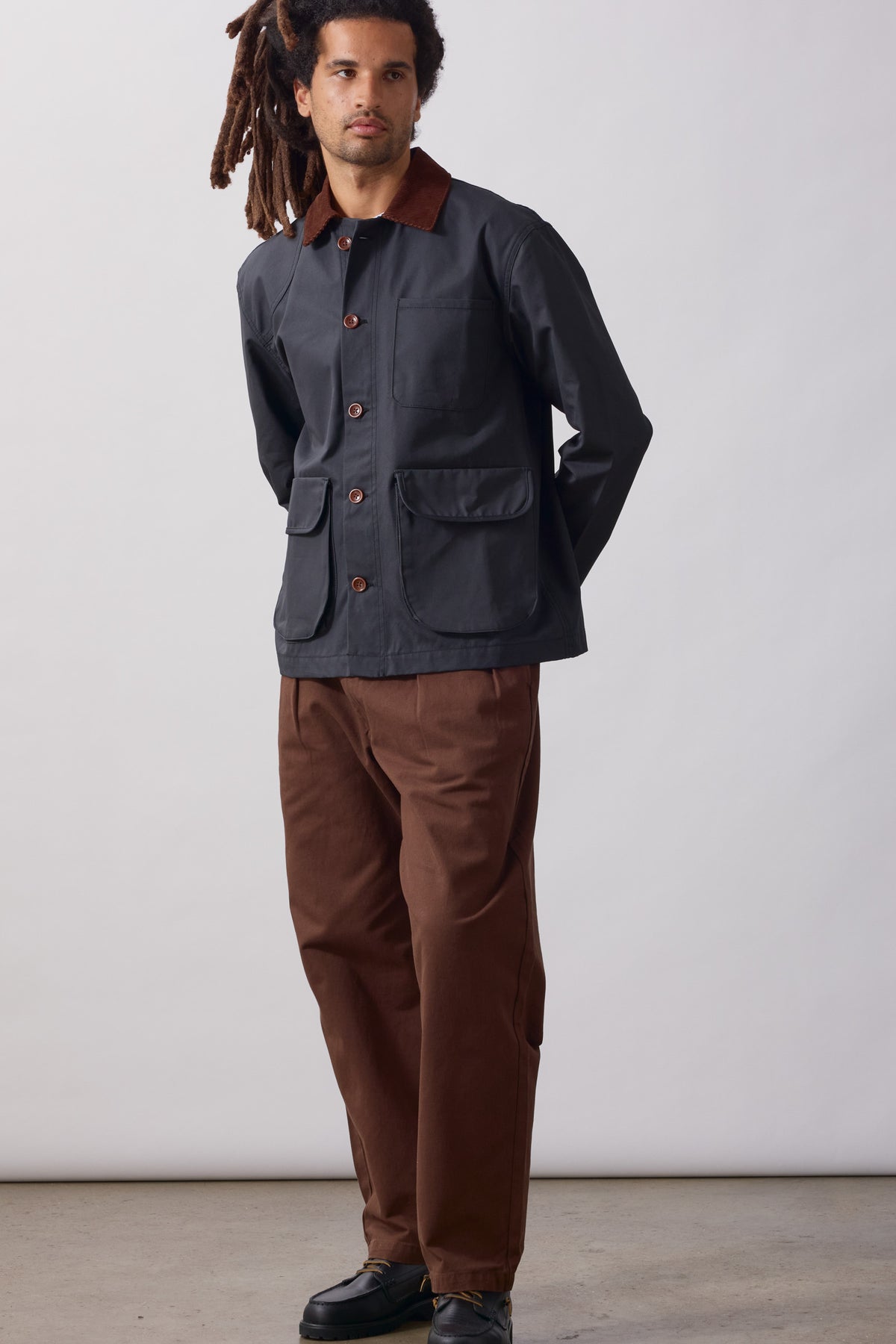
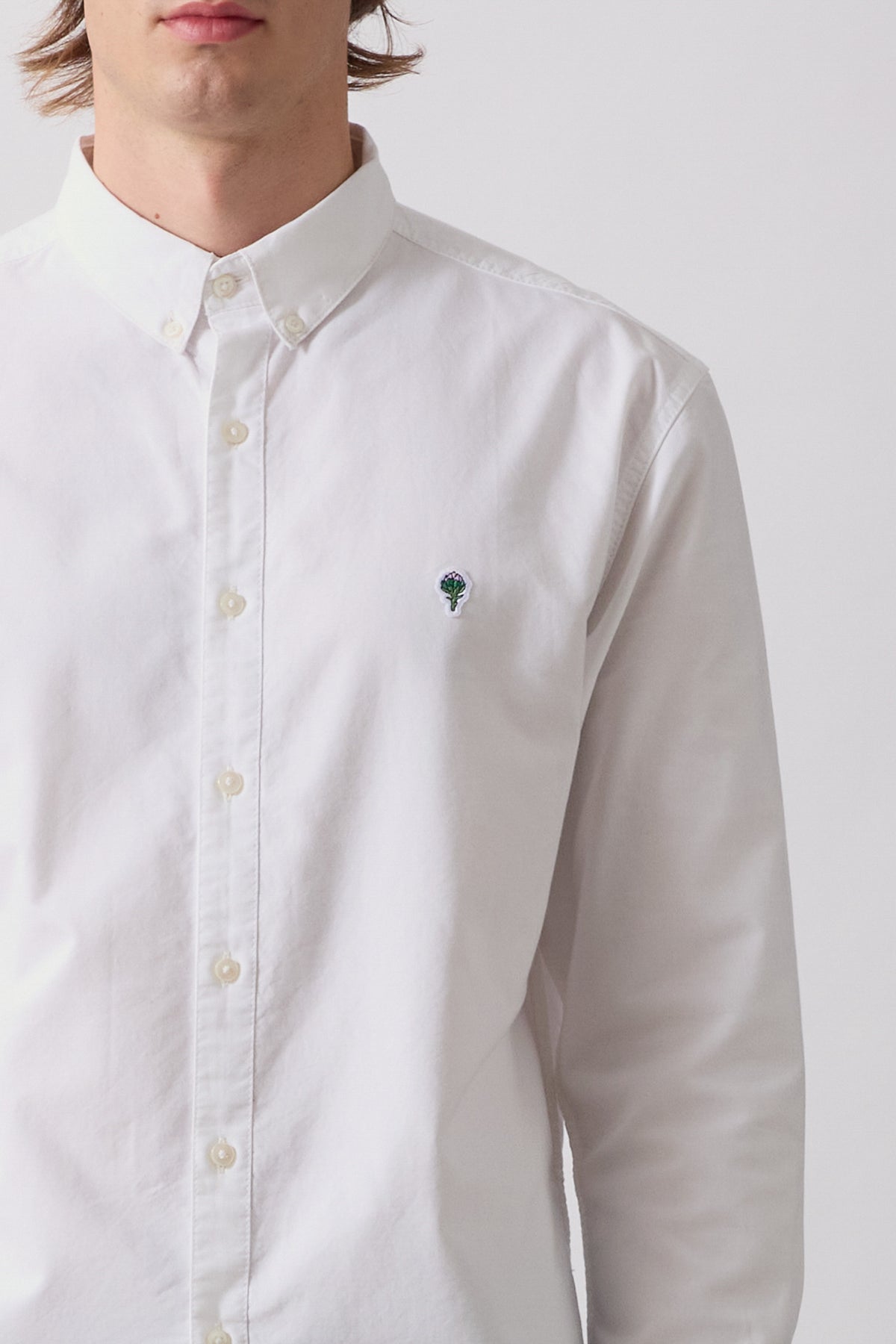
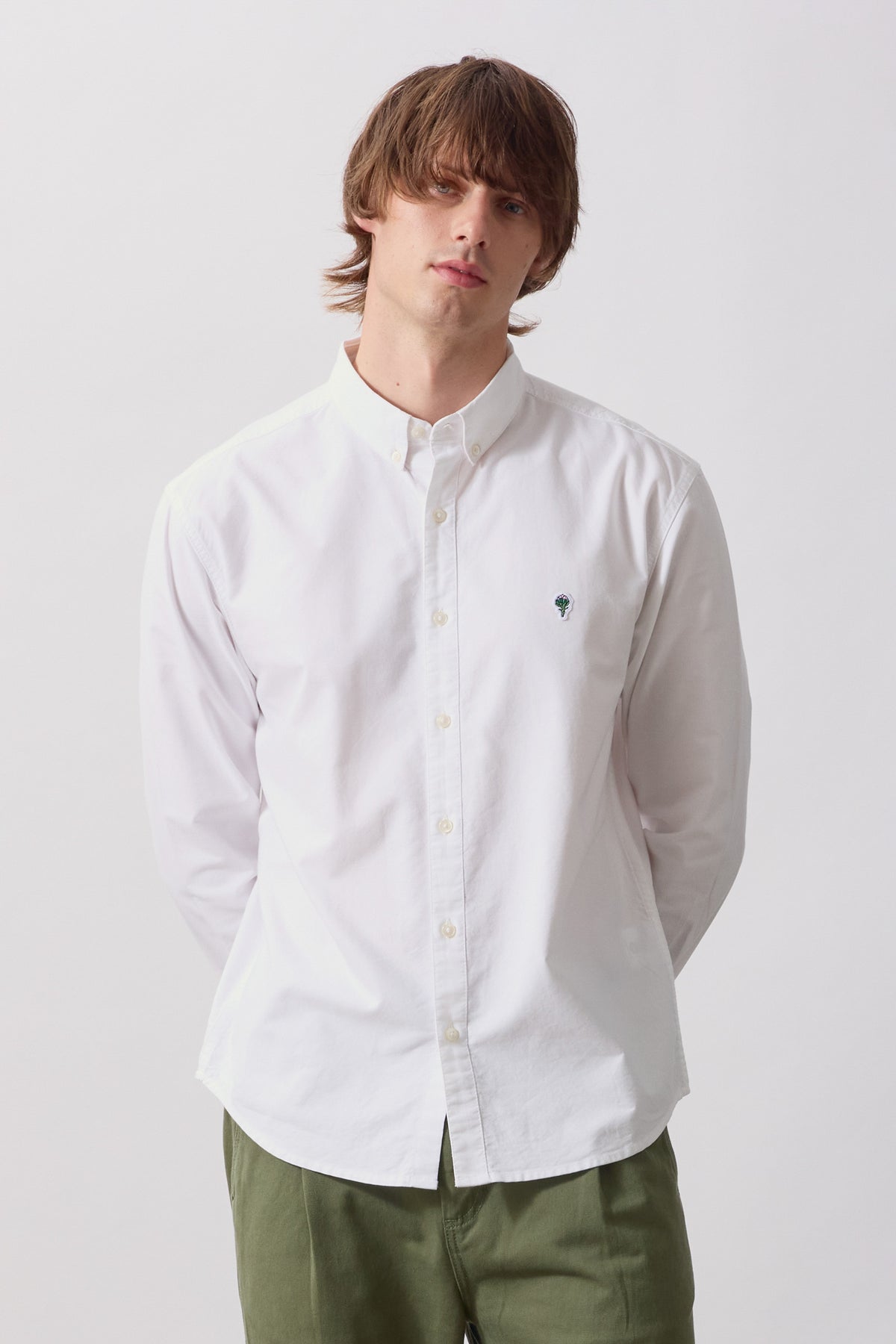
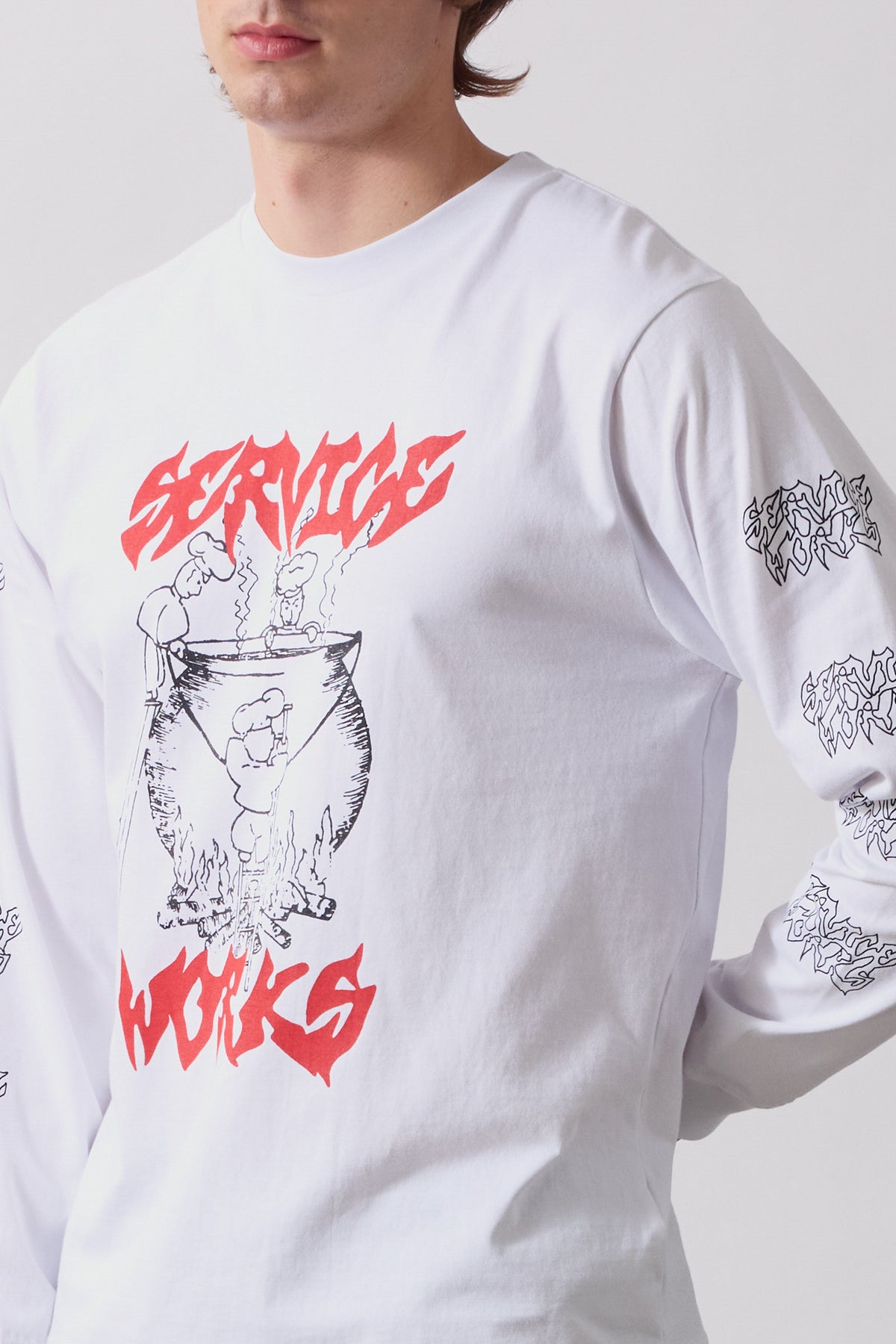
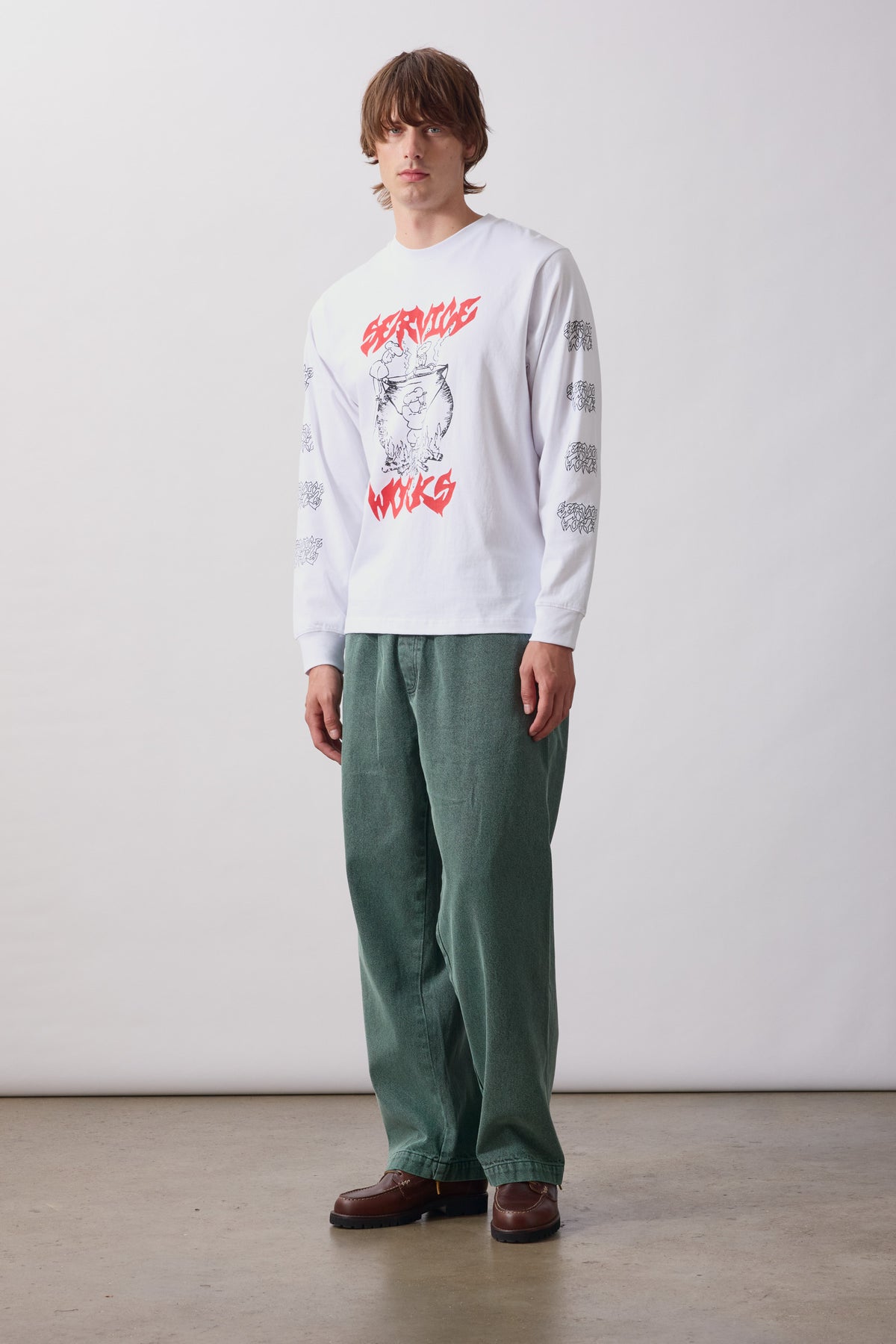
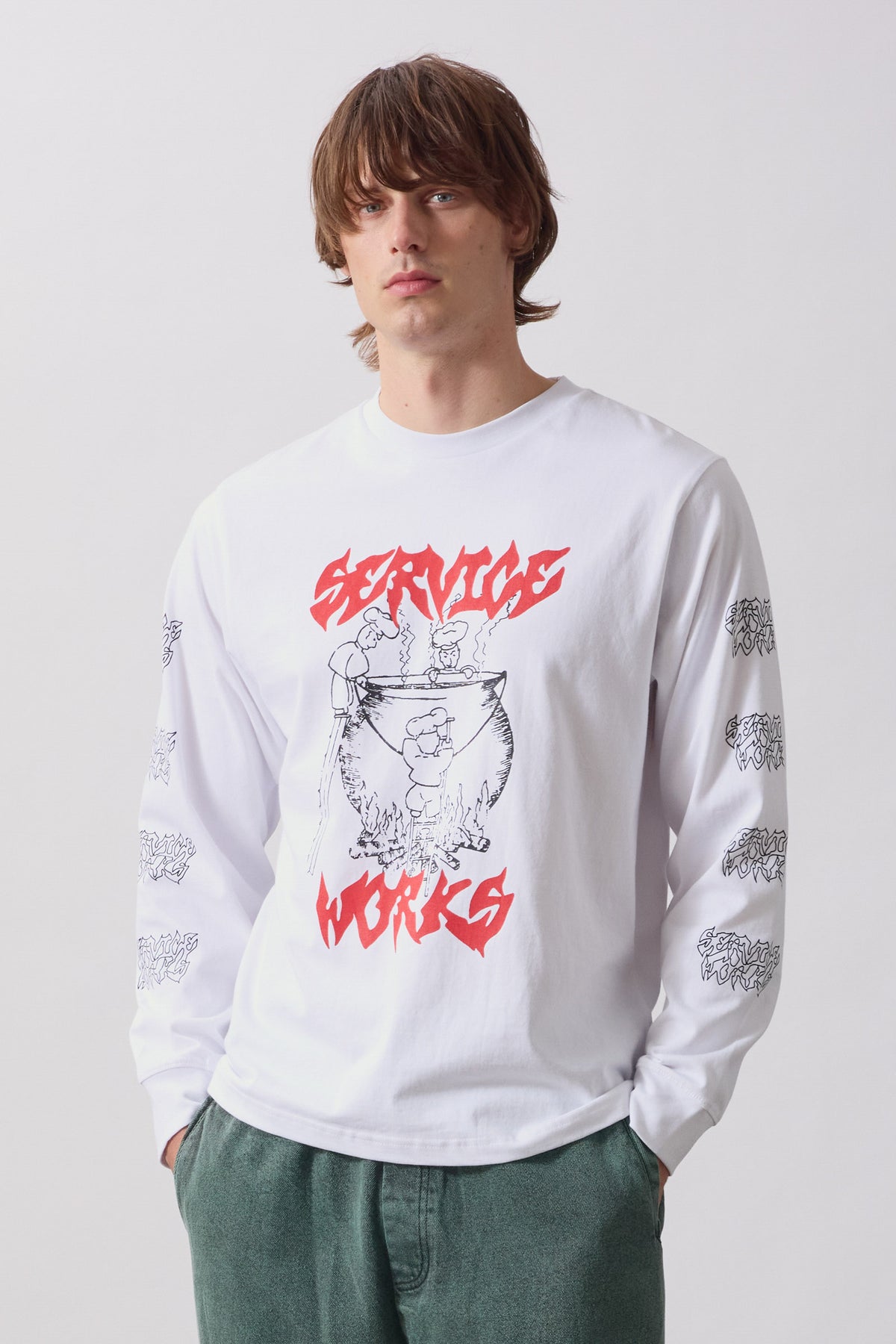
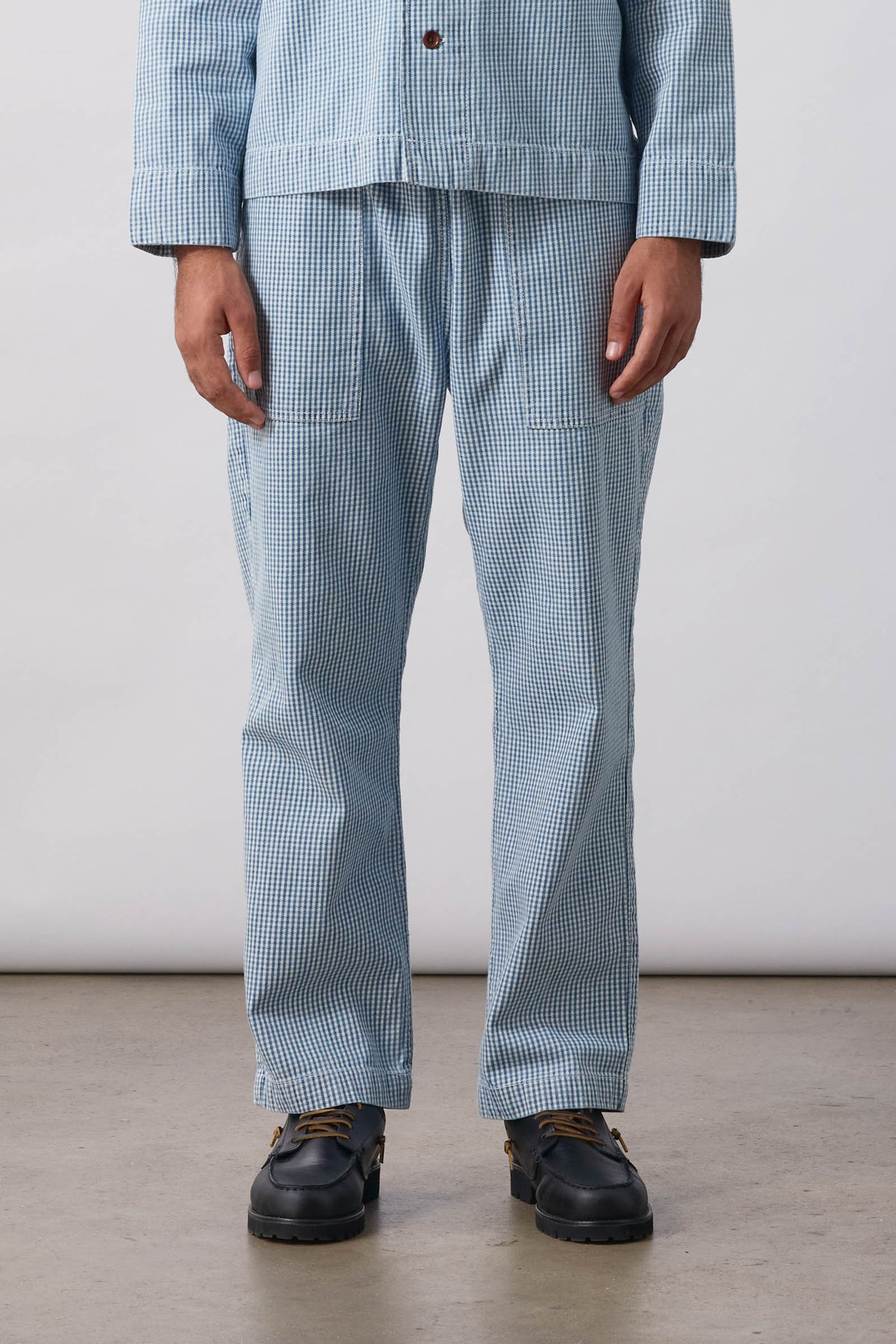
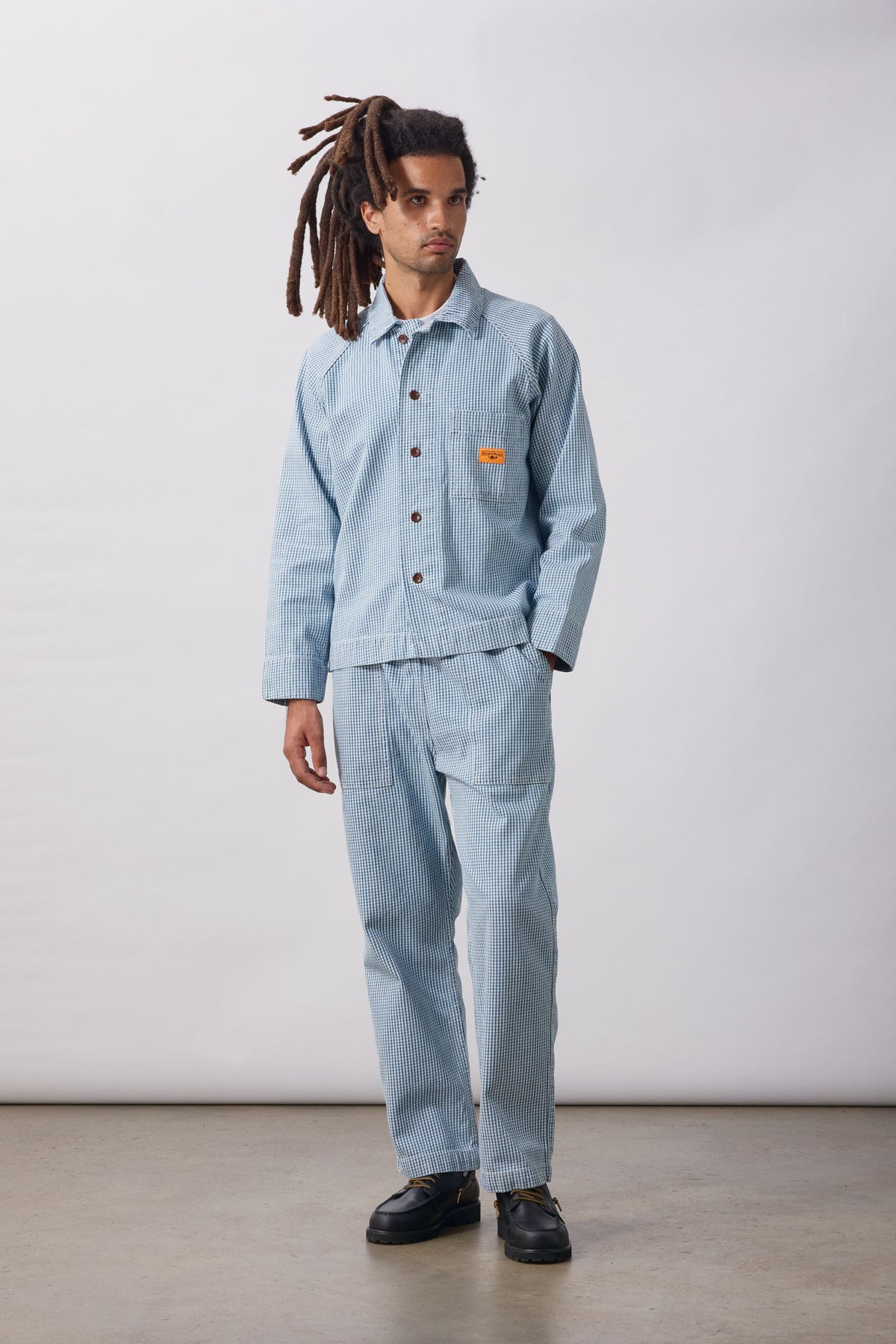
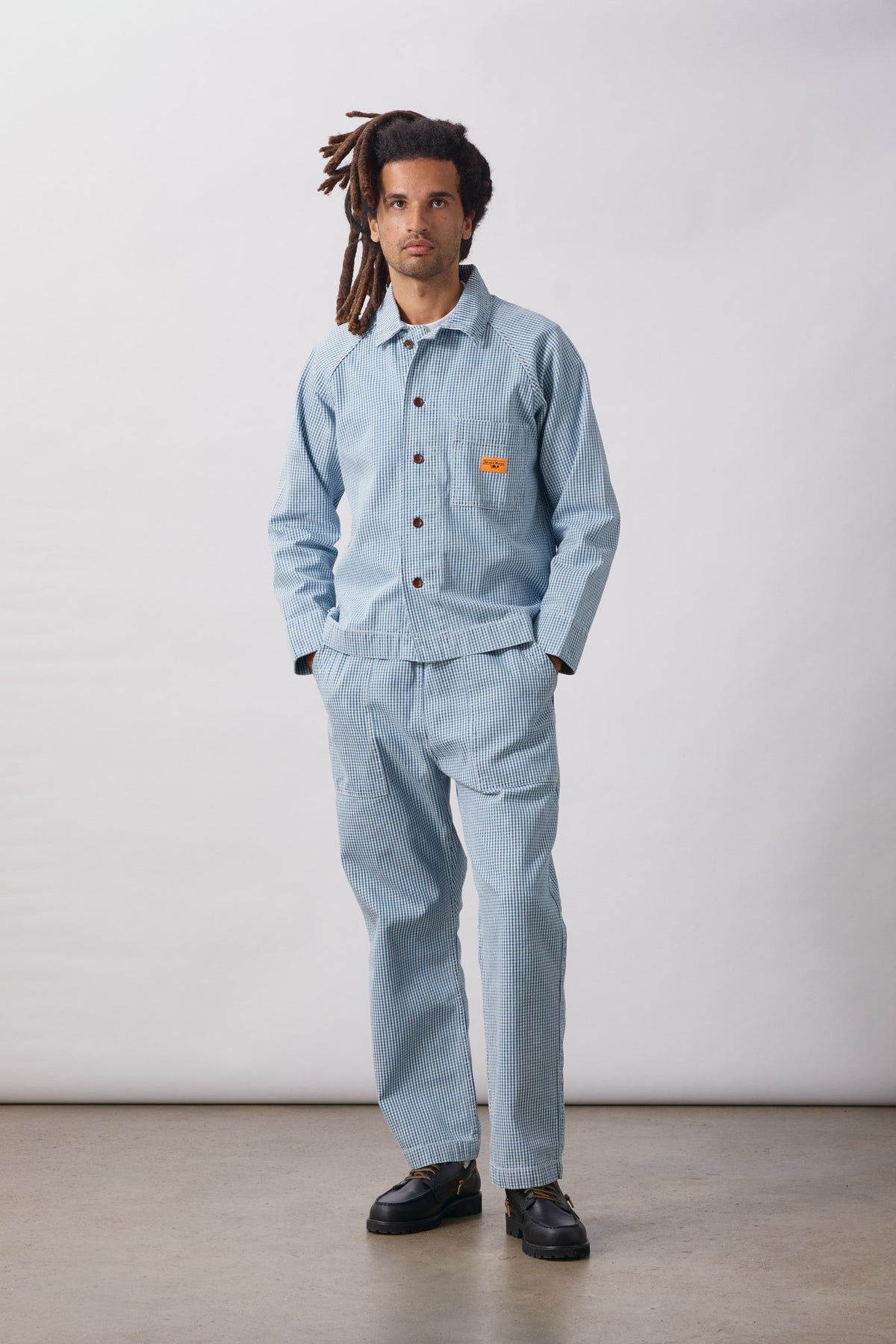
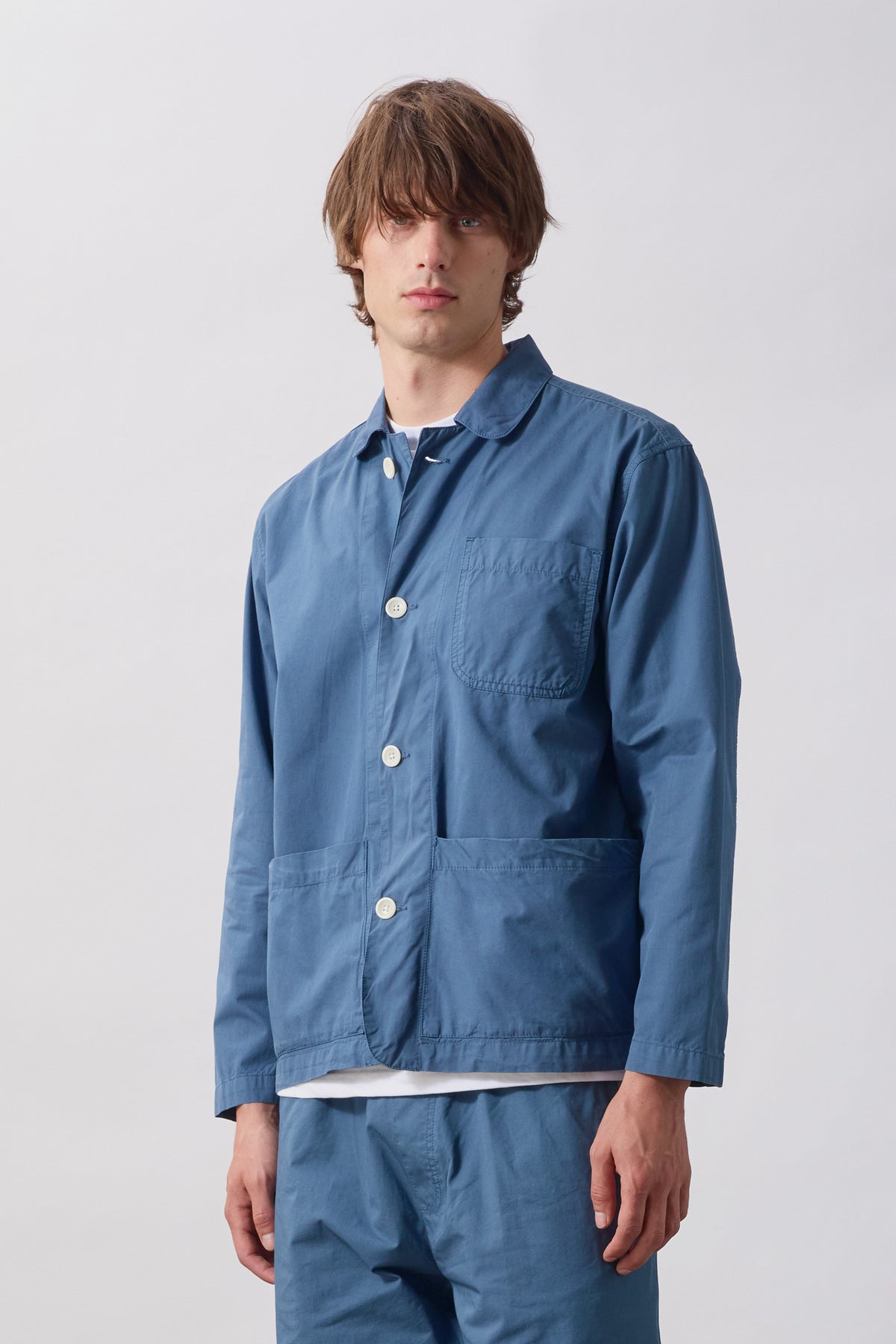
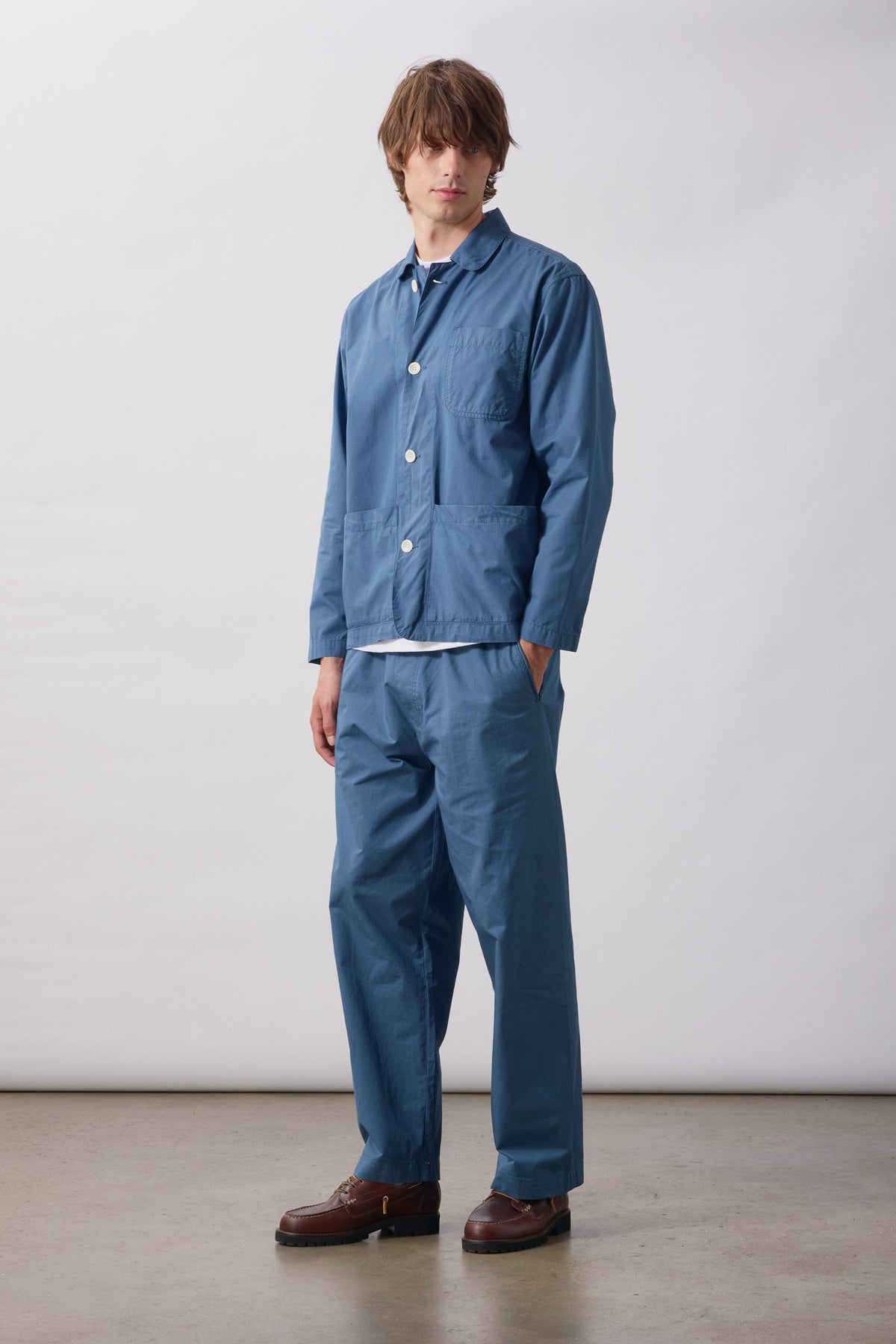
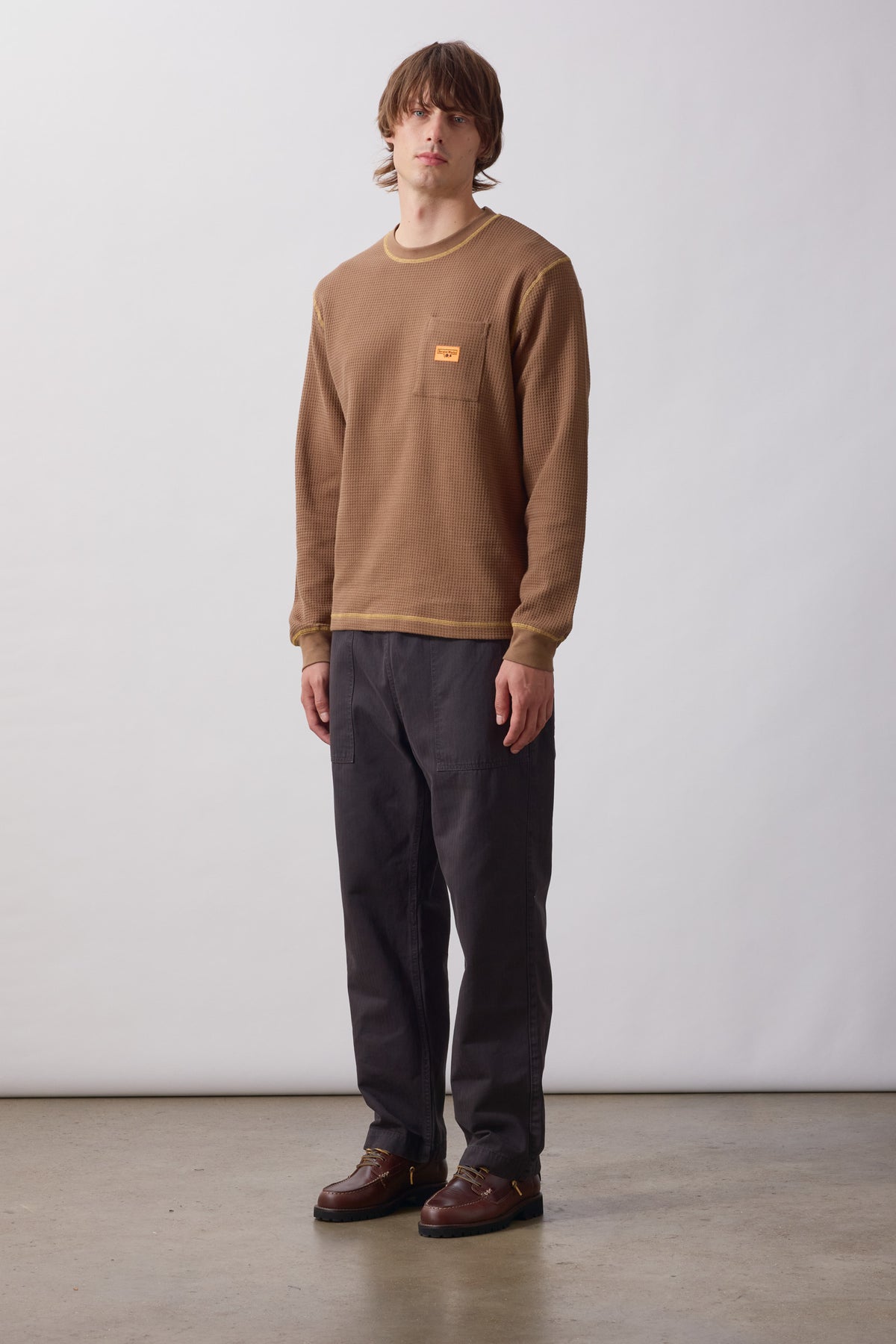
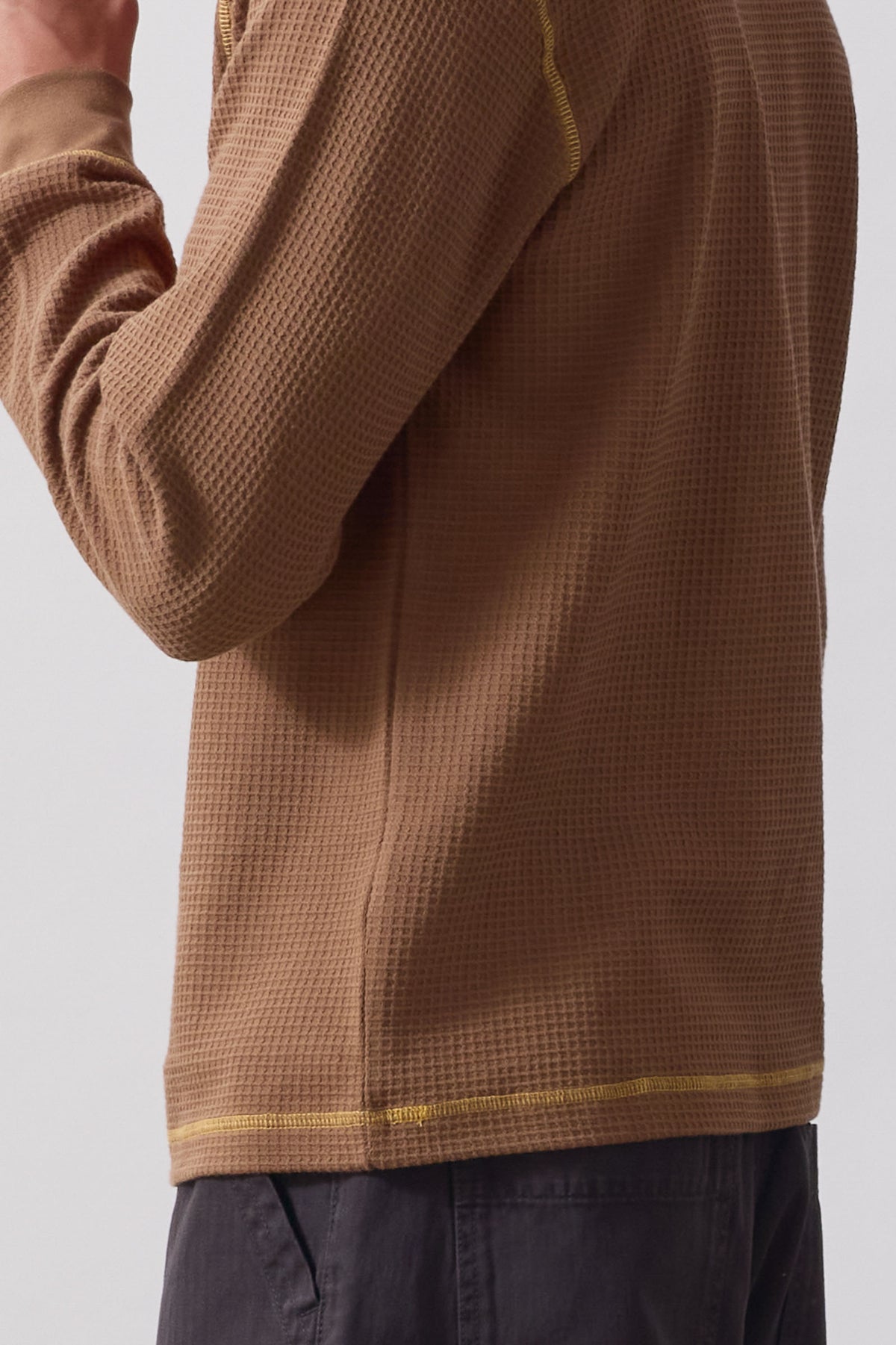
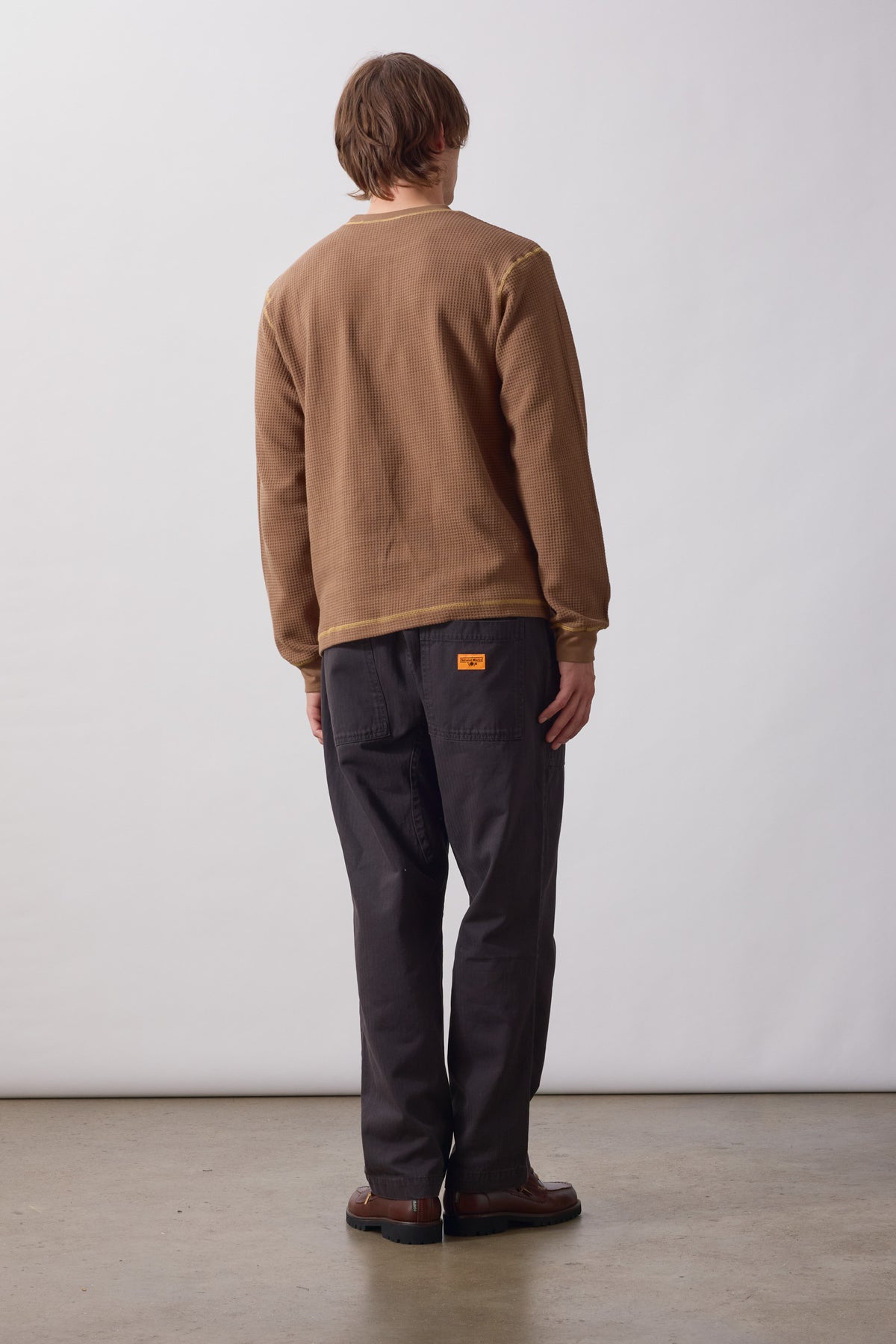
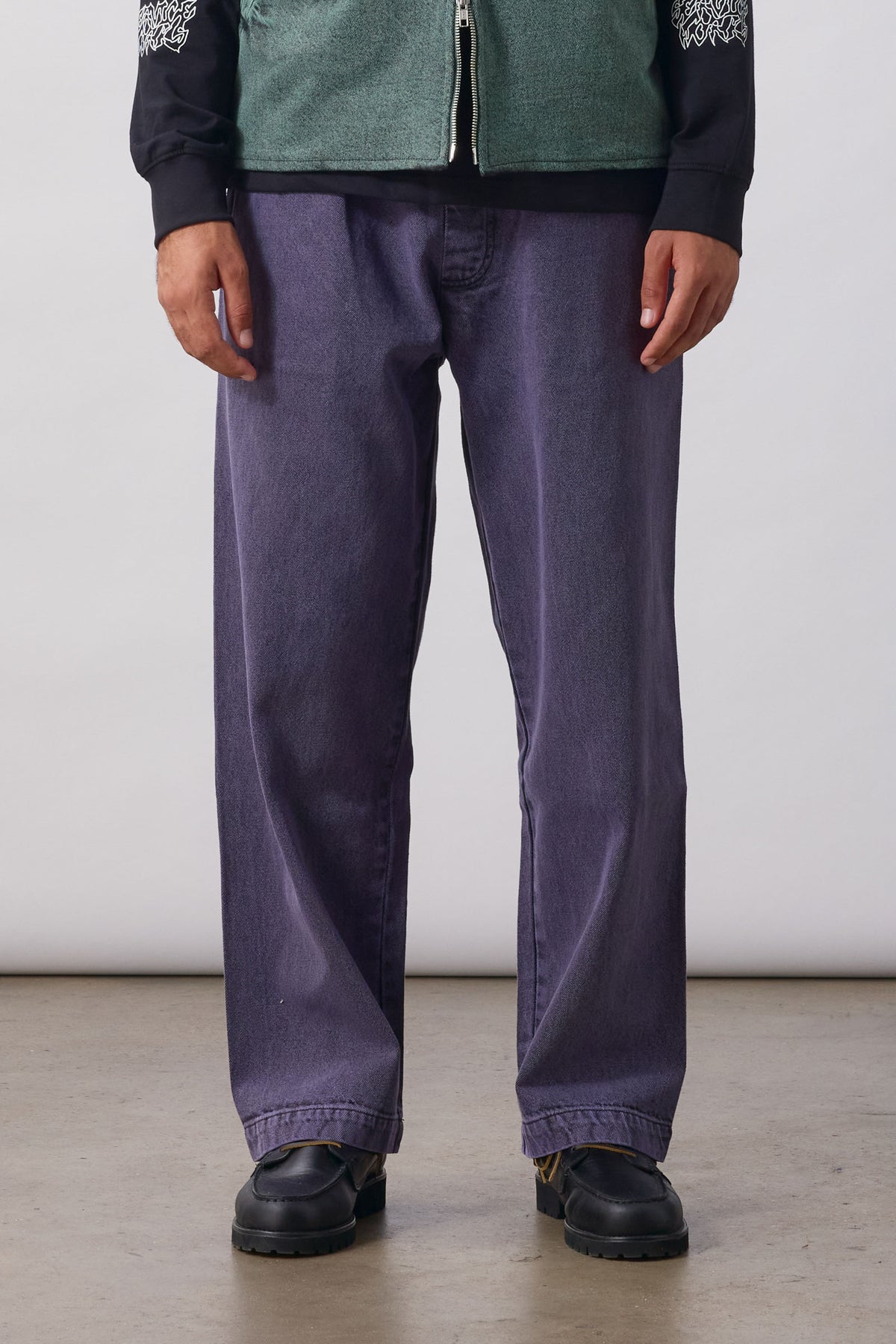
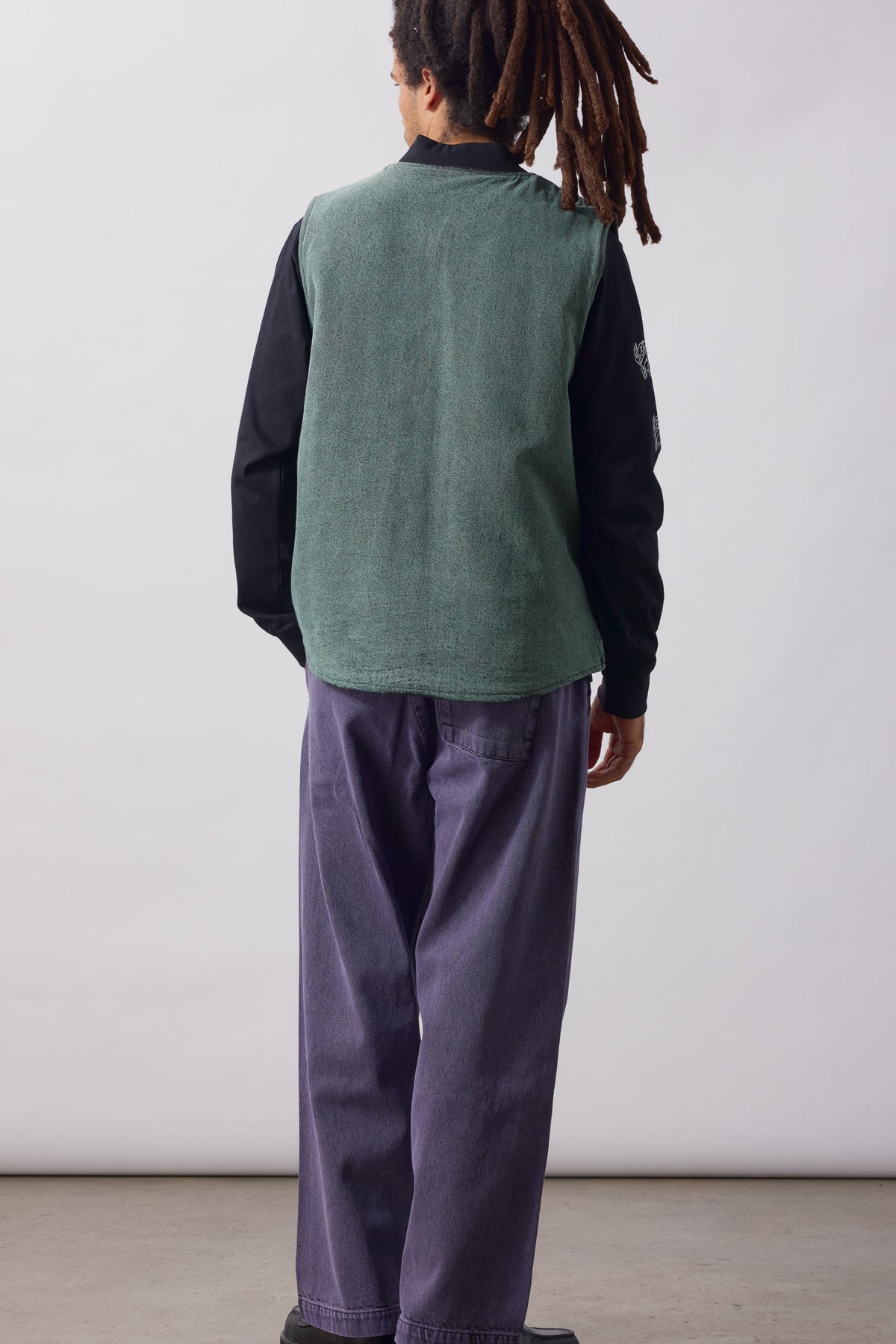
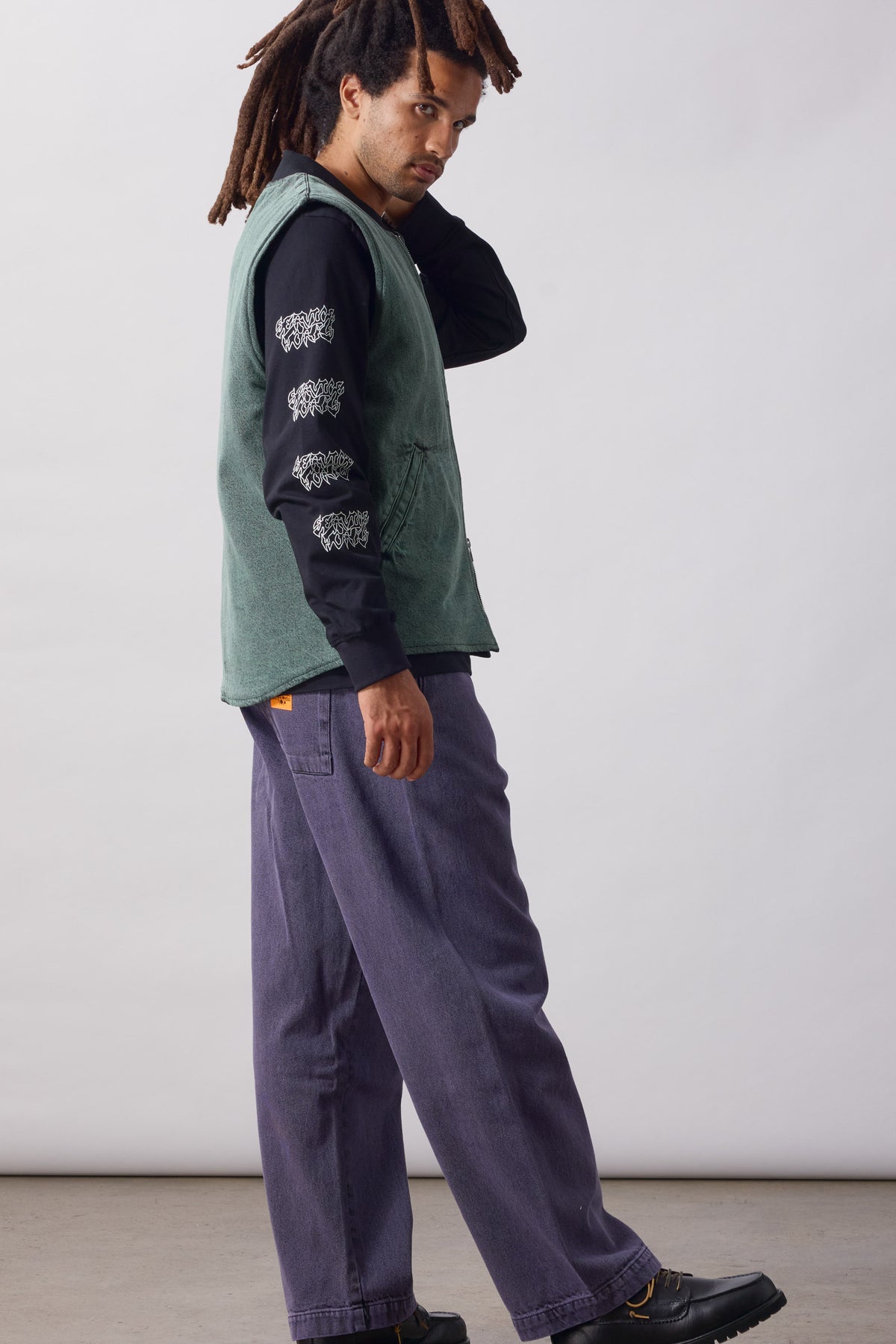
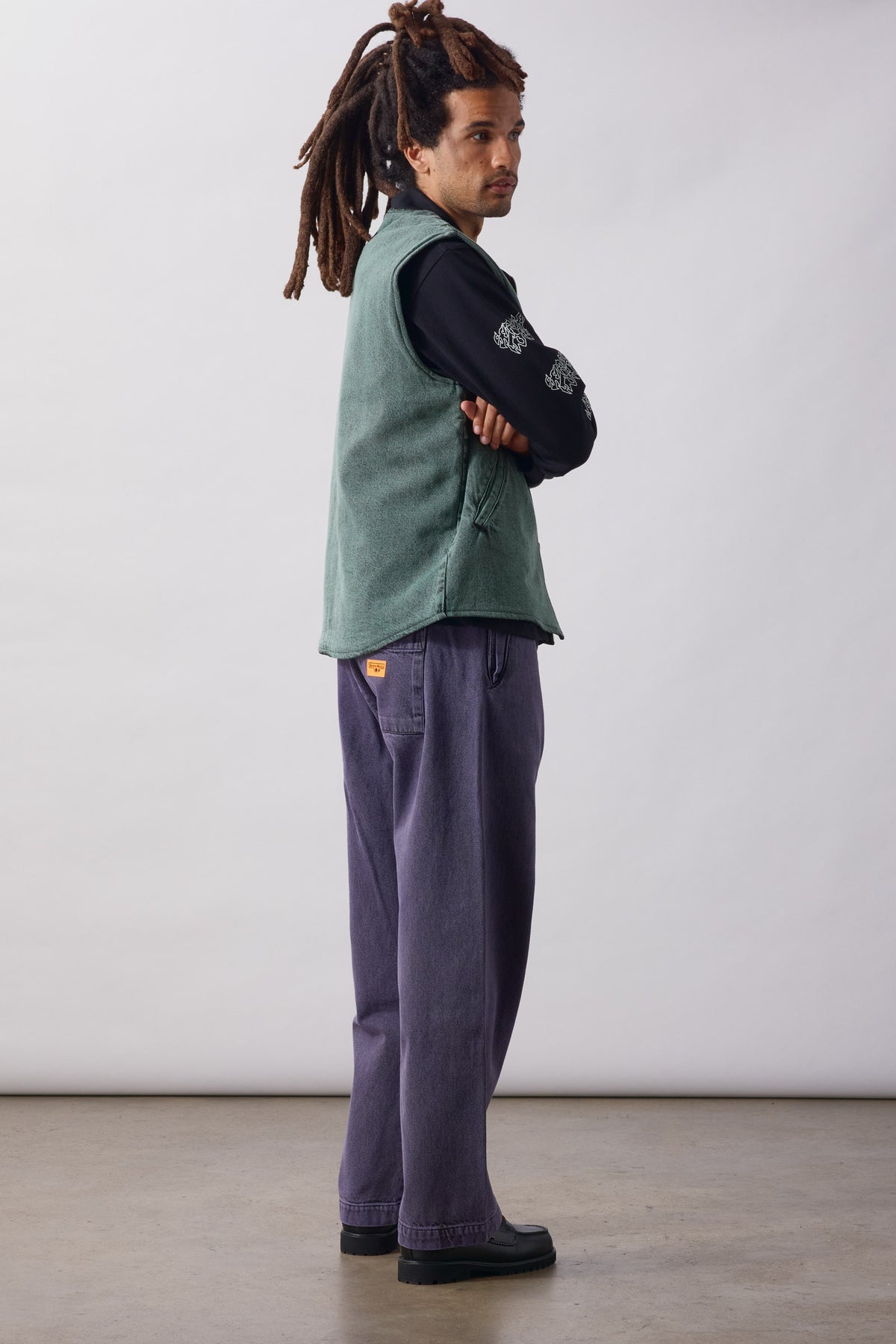
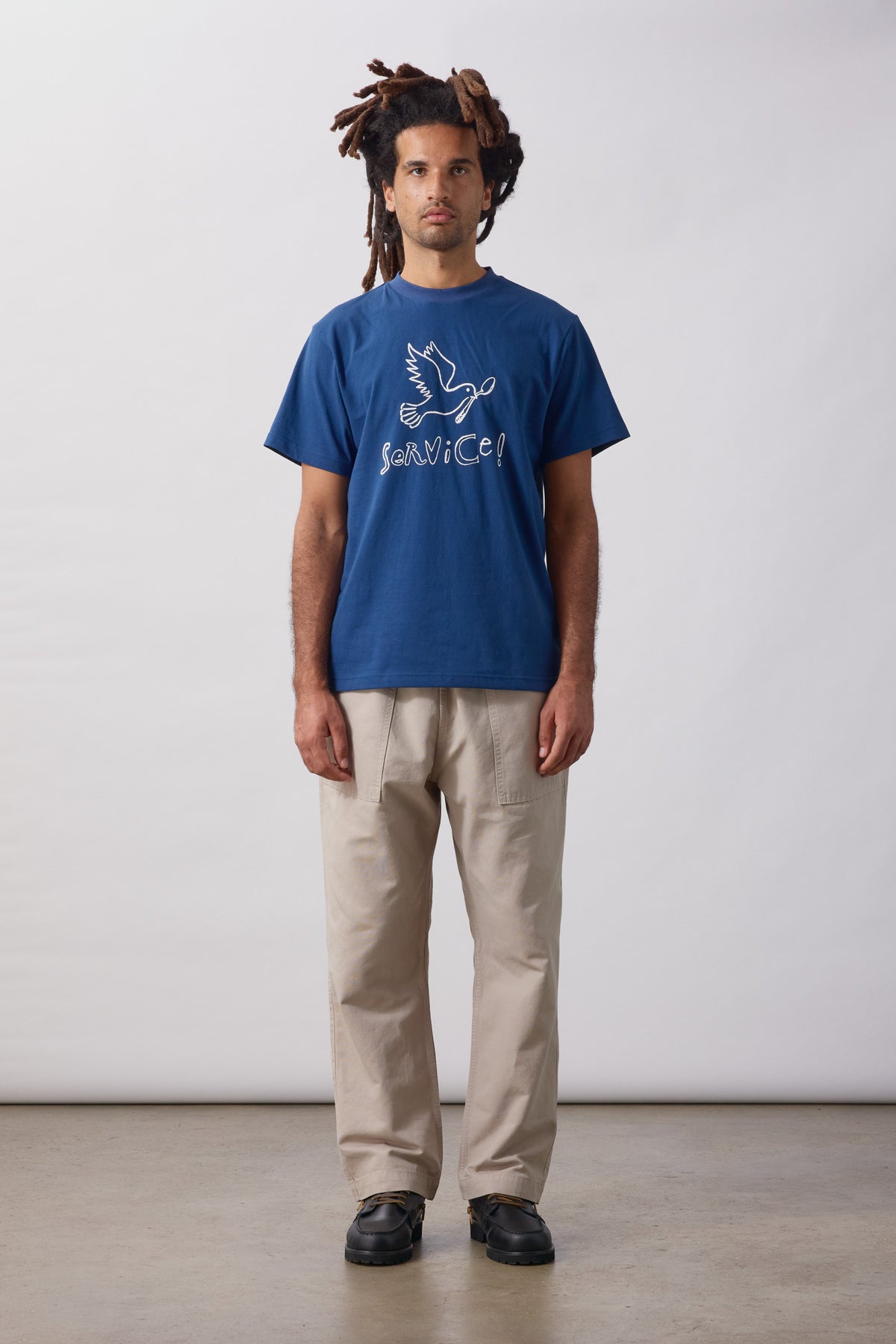
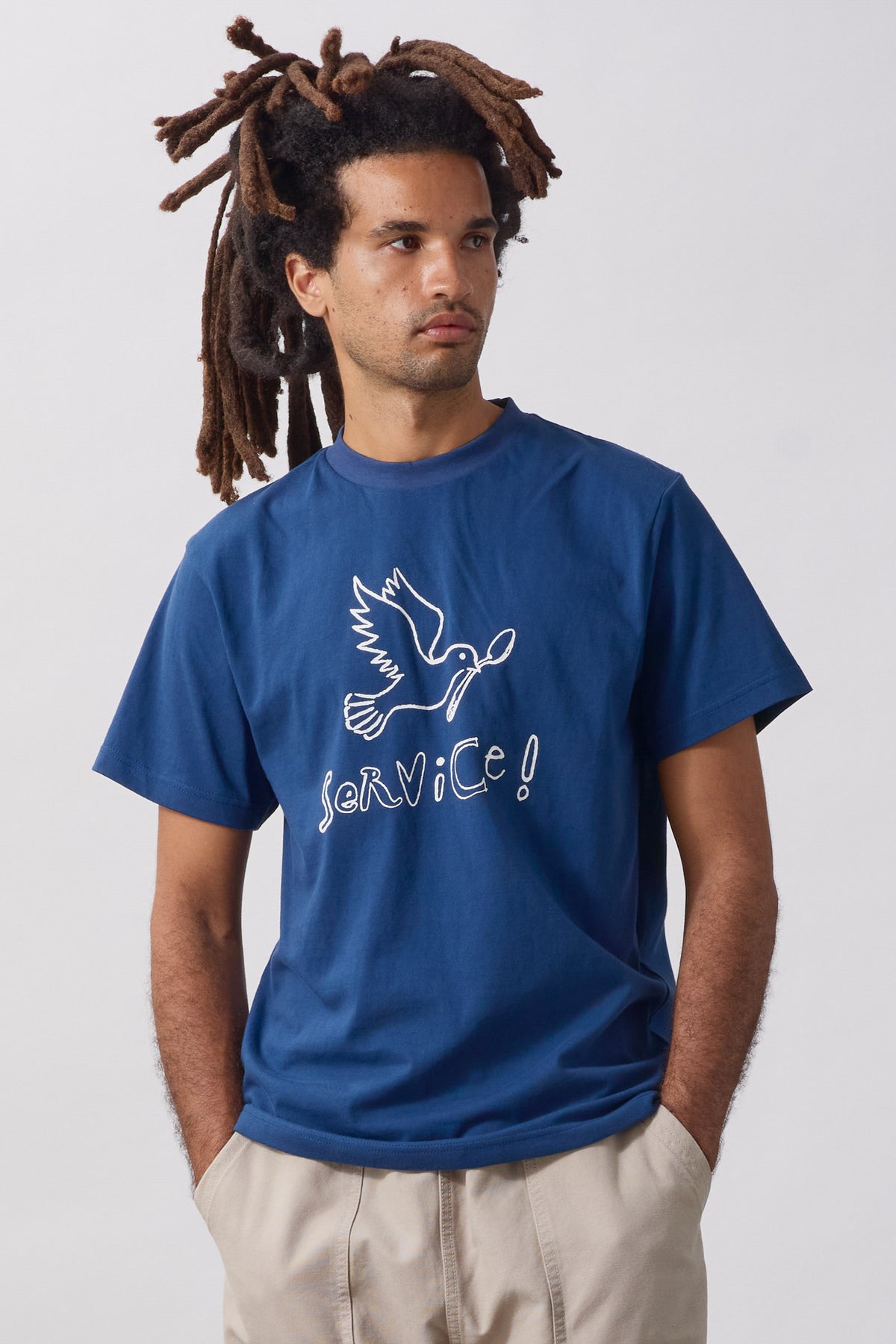
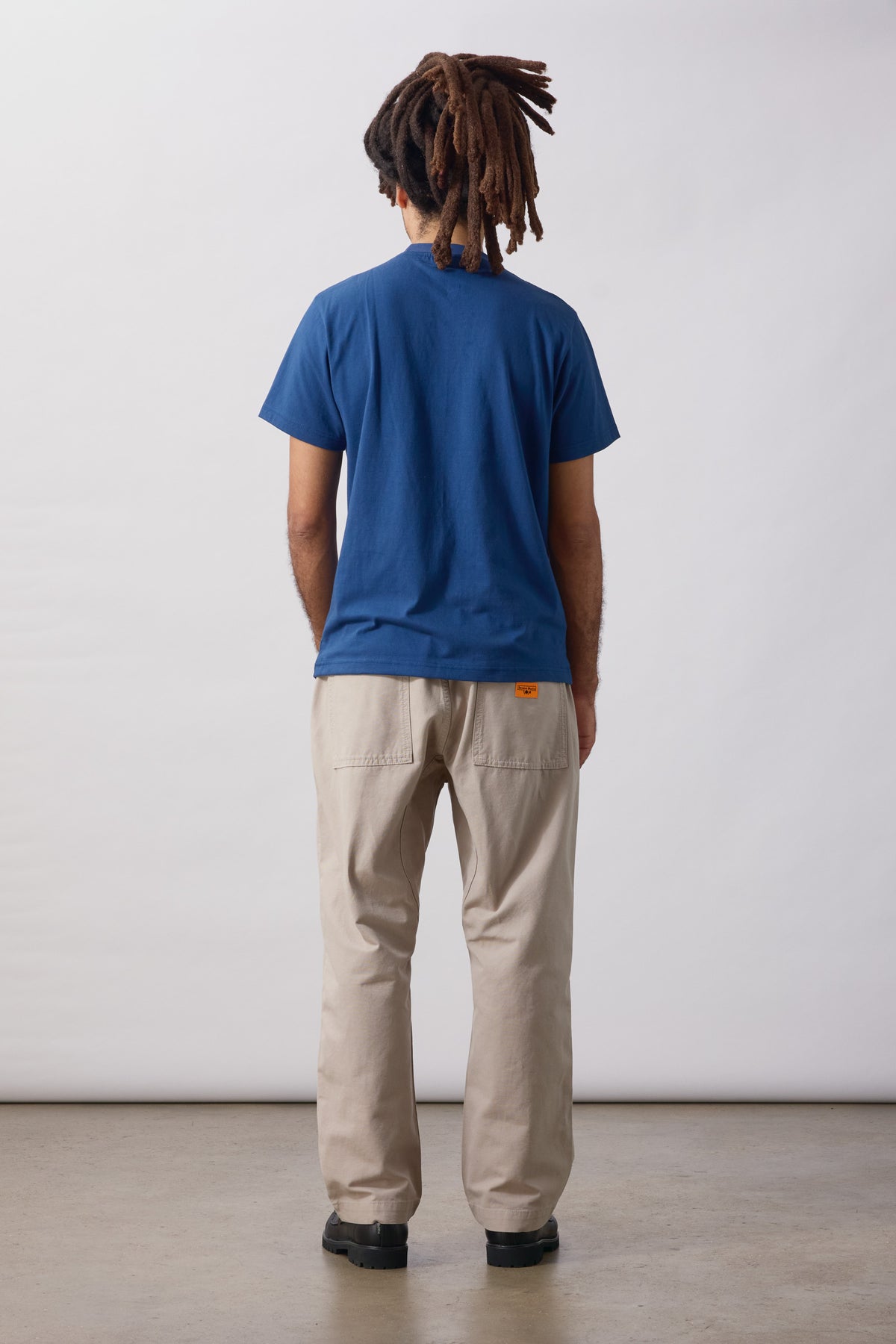
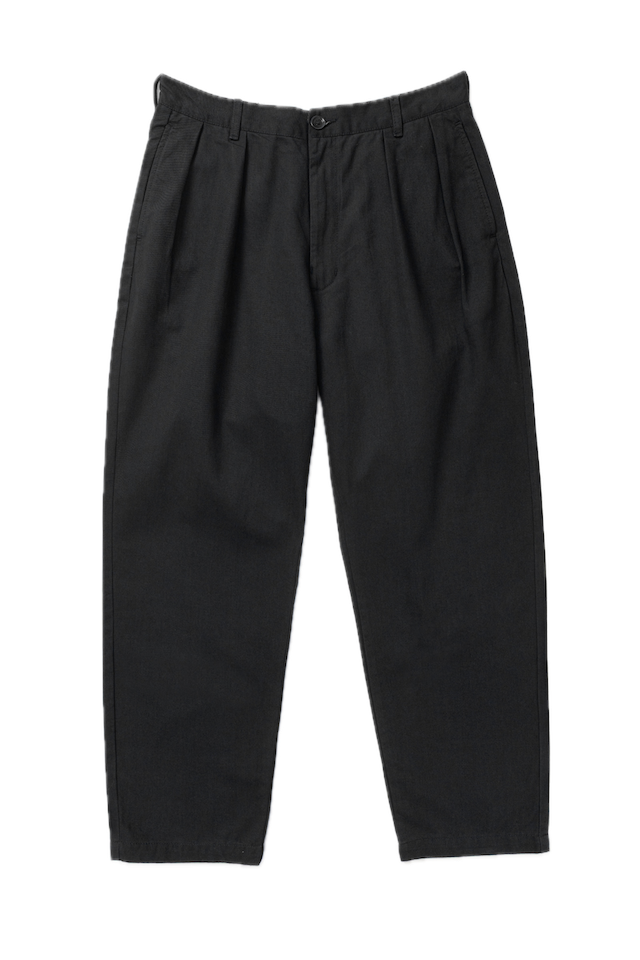
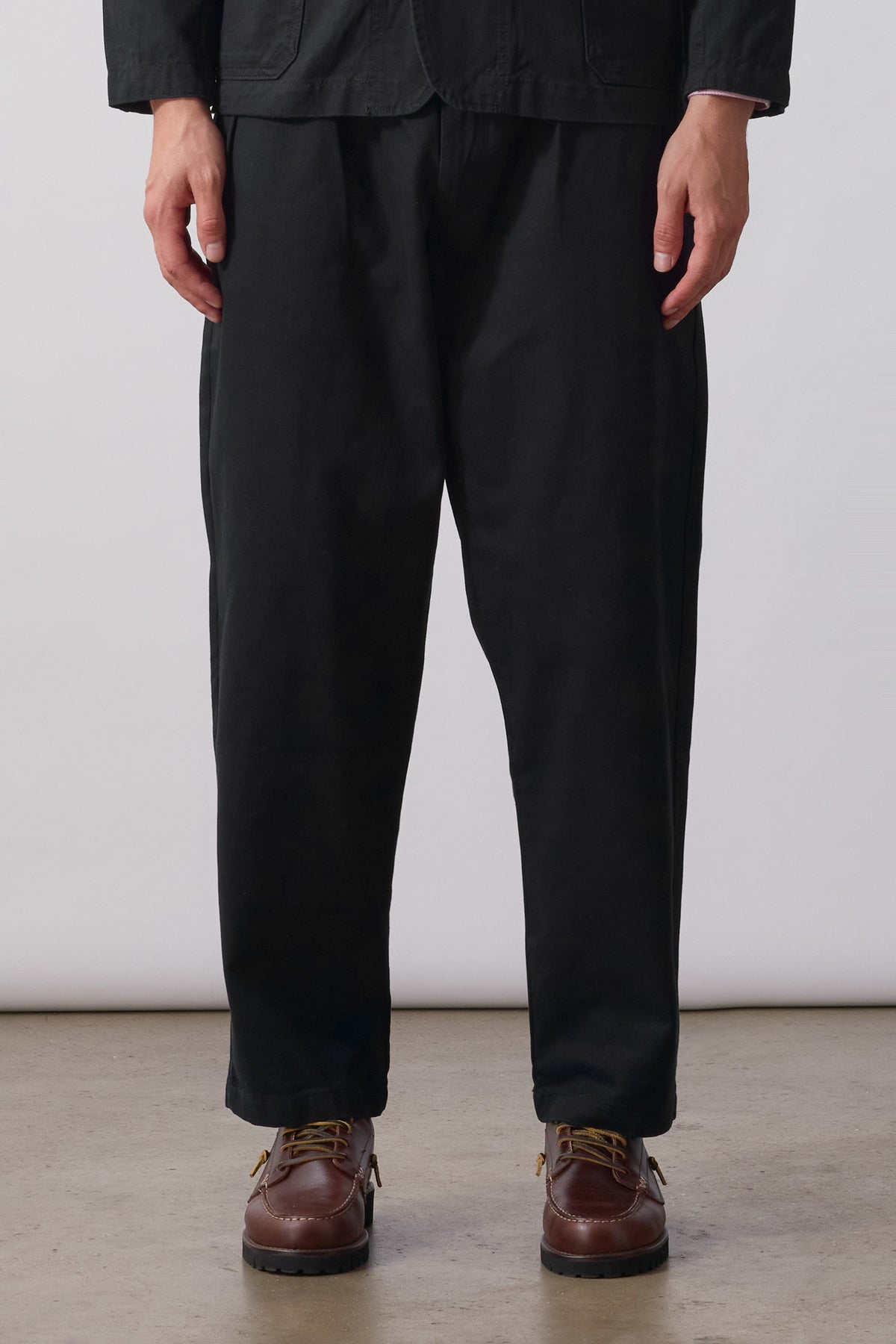
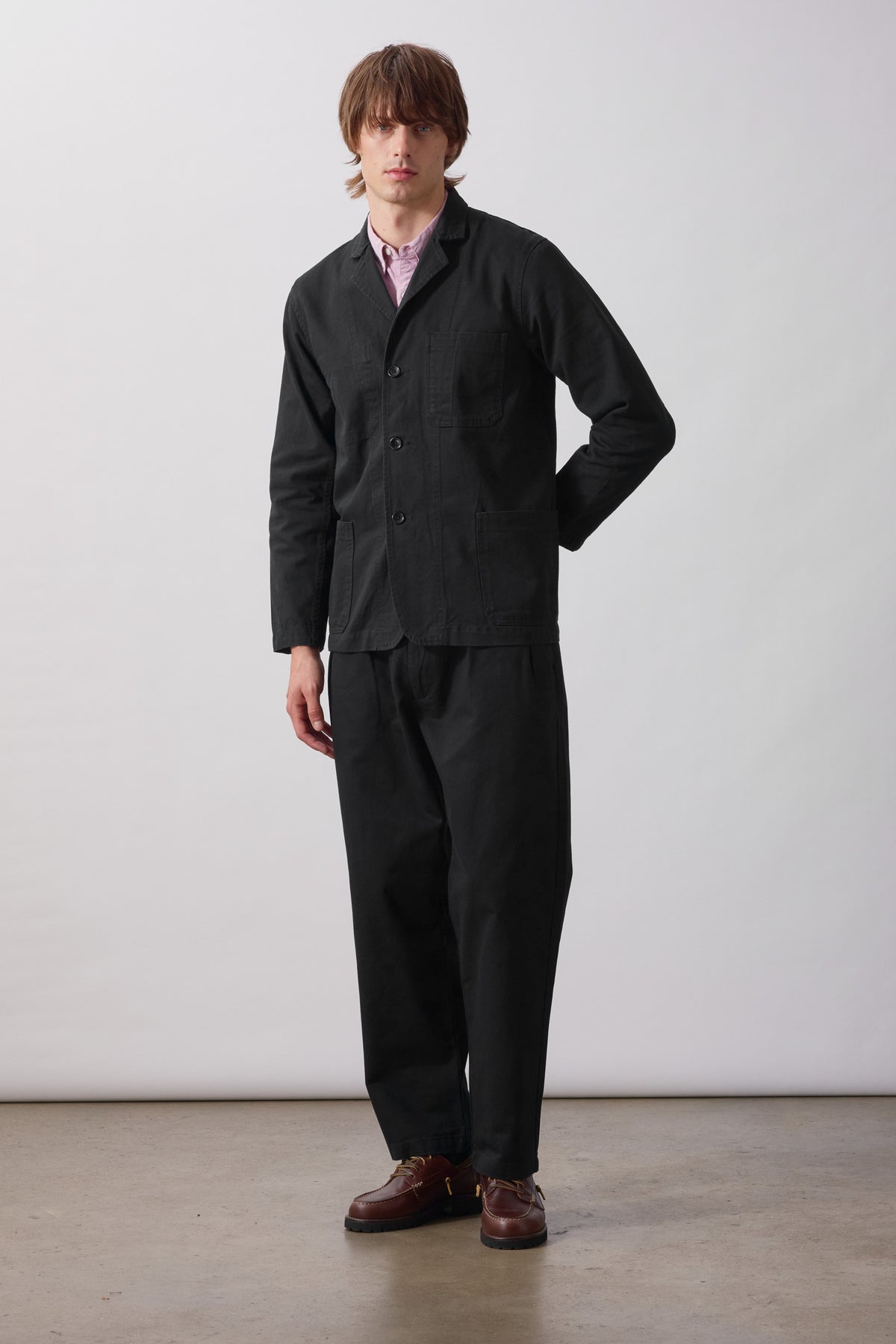
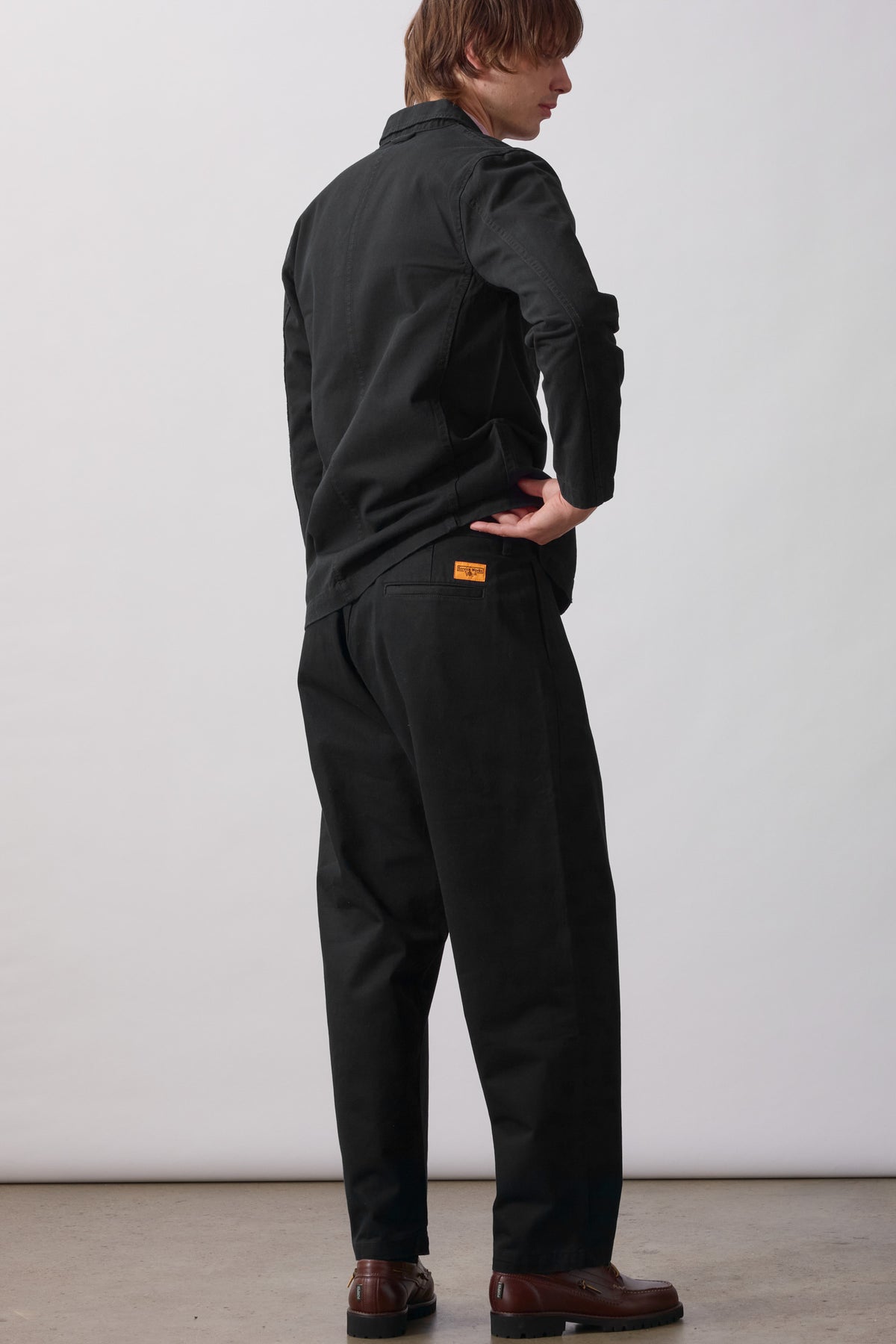
Robbie: I had been wearing their pants for ages in other kitchens. They’re tough, comfortable, and look good outside of work too. When we started Cherrywood, it just made sense. It matches the tone of the space: functional but well considered.
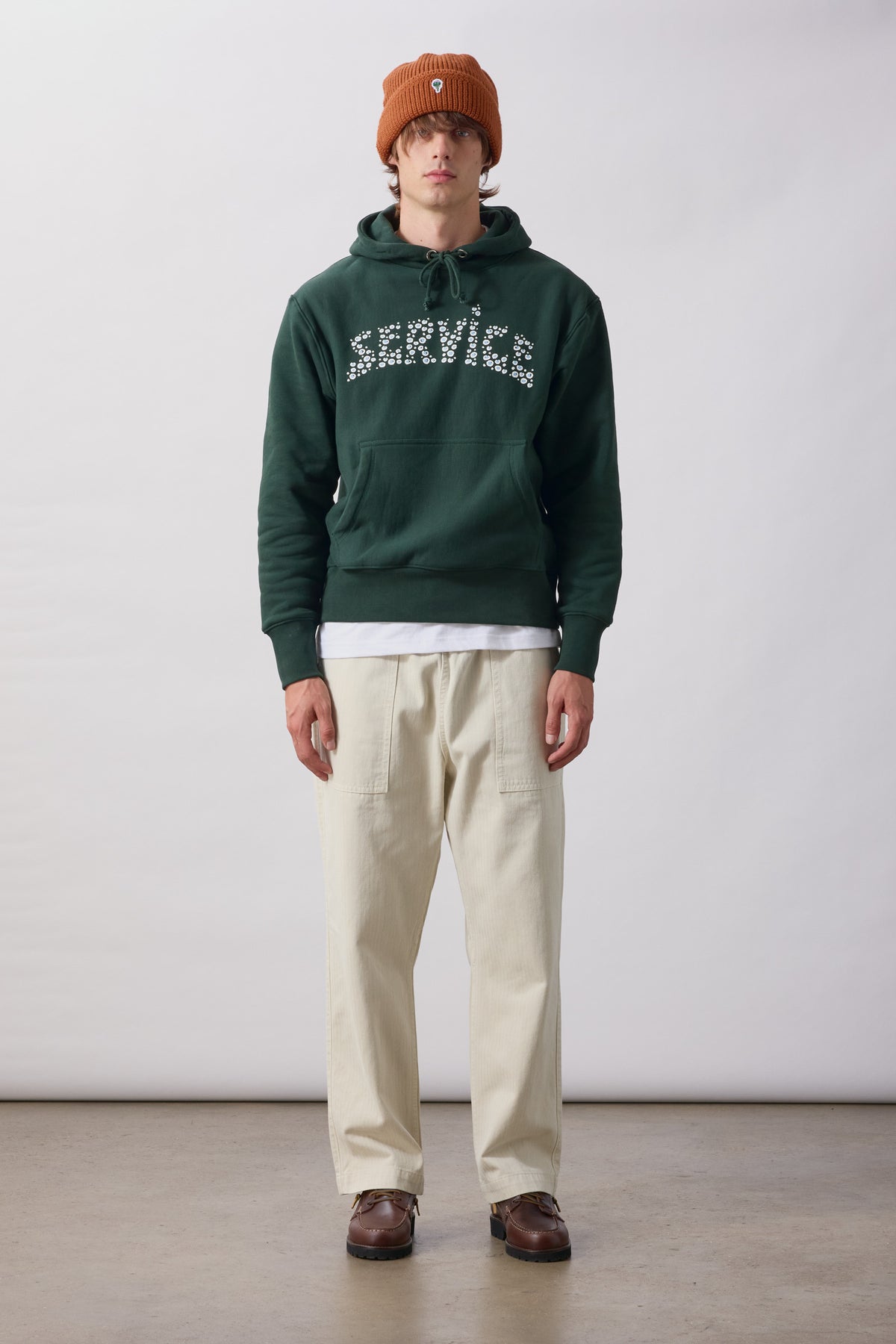
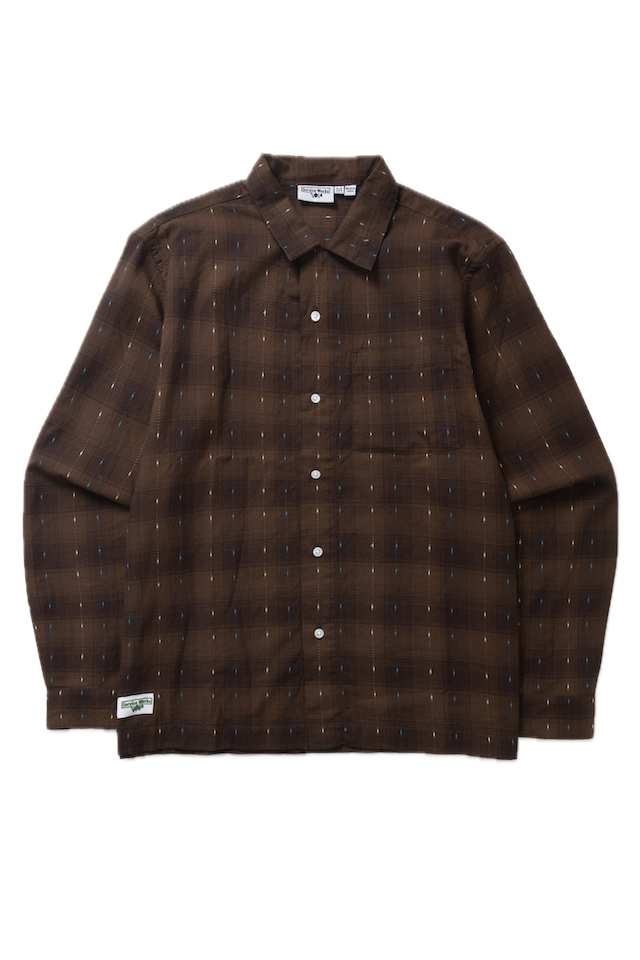
Cam: There’s something about the way the brand bridges workwear and lifestyle that fits perfectly with what we’re doing. It’s authentic, not forced. The staff feel good in it, and that confidence carries through into service.
Q: It’s nice when uniforms don’t feel like uniforms.
Cam: Exactly. It feels more like a team identity than a dress code.


On Building Community and What Comes Next
Q: How have people responded since opening?
Cam: The feedback has been really positive. There is a lot of curiosity. People who might not usually spend much time on campus are coming in to eat, and students who might not usually engage with the museum are hanging around longer. It feels like we’re building a small community here.
Robbie: We get such a mix of people — museum staff, visitors, locals, students. It’s a really open and welcoming energy.
Q: What’s next for Cherrywood?
Robbie: We’re taking it one step at a time. The idea is to build slowly, to refine what works and evolve the menu as we go. There’s talk of more collaborations, maybe even small events or dinners tied to the exhibitions.
Cam: The goal is to keep it alive and responsive. We want Cherrywood to feel like part of the museum’s rhythm, not separate from it.

Cherrywood at Residence is an example of what can happen when hospitality, design, and culture meet with genuine intention. It is a restaurant shaped by collaboration — between chefs, artists, and the community around it — and grounded in the simple idea that food can be both thoughtful and accessible.